Local Content Calculator for Pakistani Cars
Vehicle Assembly Calculator
Calculate local content percentage based on assembly type and industry standards
Results
Understanding the Calculation
Local content percentage reflects how much of the vehicle is made within Pakistan. Higher percentages mean more jobs and less import dependency. The National Automotive Policy aims to reach 95% local content by 2026 through increased domestic manufacturing.
When you ask if a car is made by Pakistan, the answer isn't a simple yes or no. It depends on how you define the word "made." If you mean fully engineered and built from raw steel in a Pakistani factory, that is rare. However, if you mean assembled and put together on local soil using parts from global partners, then yes, Pakistan produces cars daily. The reality lies somewhere in the middle, involving complex partnerships between international giants and local assembly plants.
Most vehicles you see on Pakistani roads are assembled locally. This process is often called Completely Knocked Down (CKD) assembly. It means the car arrives in pieces, and workers in Pakistan put them together. This creates jobs and keeps money within the country, but it doesn't mean the design or the engine came from a Pakistani lab. Understanding this distinction is key to knowing the true state of the industry.
How Local Assembly Works in Pakistan
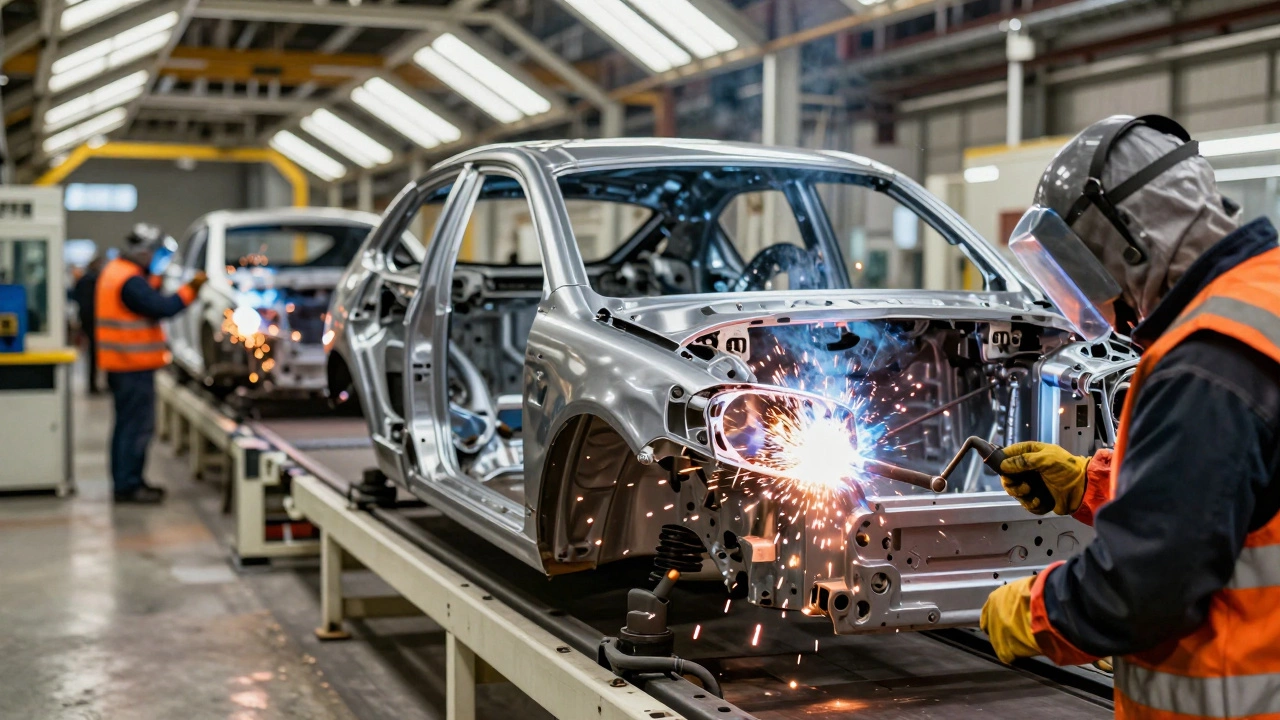
The backbone of the Pakistan Automobile Industry is a network of joint ventures between local conglomerates and foreign automakers. Instead of importing a finished car, companies import a kit. These kits contain the chassis, the engine, the body panels, and the electronics. The local factory then welds the frame, paints the body, and installs the interior.
This method has been the standard for decades. It started in the 1960s when the government wanted to reduce imports and build local capacity. Over time, the local content rate has increased. This means more parts, like bumpers, seats, and wiring harnesses, are made in Pakistan. However, the core technology, such as the engine block or the transmission, usually remains imported.
In 2026, the industry is shifting. The government has pushed for higher local content to reduce the trade deficit. Companies are now under pressure to manufacture more components locally rather than just assembling kits. This shift is changing the definition of a "Pakistani car" from a simple assembly job to a more integrated manufacturing process.
Major Players in the Market
Several big names dominate the scene. Indus Motor Company is the largest manufacturer in the country, holding a franchise for Toyota vehicles. They operate massive plants in Karachi and Lahore. Their production lines churn out the Toyota Corolla and the Toyota Hilux, which are staples on Pakistani highways. These vehicles are built to meet local safety and emission standards, even if the blueprint is Japanese.
Then there is Pak Suzuki Motor Company is a joint venture between Suzuki Motor Corporation and local investors. They focus on smaller, economical cars like the Suzuki Alto and the Suzuki Cultus. For many families, the Alto is the first car they own. The production volume here is high, making it one of the busiest facilities in South Asia.
Honda Atlas Cars is another key player, assembling Honda models like the City and the Civic. They bring a slightly more premium feel to the market. Their plants are known for high automation levels compared to older facilities. This allows them to maintain quality control that matches global standards.
Kia and Hyundai also have a presence. Kia Motors Pakistan has invested heavily in recent years to expand their lineup. They introduced the Kia Seltos and the Kia Sportage, which are assembled locally. Hyundai Motor Pakistan follows a similar path with the Hyundai i20 and the Hyundai Creta. These brands compete directly with Toyota and Suzuki for the middle-class buyer.
| Company | Partner Brand | Key Models | Assembly Type |
|---|---|---|---|
| Indus Motor Company | Toyota | Corolla, Hilux, Fortuner | CKD Assembly |
| Pak Suzuki Motor Company | Suzuki | Alto, Cultus, Wagon R | CKD Assembly |
| Honda Atlas Cars | Honda | City, Civic, Amaze | CKD Assembly |
| Kia Motors Pakistan | Kia | Seltos, Sportage | CKD Assembly |
| Hyundai Motor Pakistan | Hyundai | i20, Creta, Elantra | CKD Assembly |
What Does "Made in Pakistan" Really Mean?
When you see a badge on a car that says "Made in Pakistan," it is a certification of assembly. It does not imply that the engineers in Pakistan designed the suspension or the engine management system. The intellectual property belongs to the foreign partner. The local company pays a royalty fee for the right to use the brand and the technology.
This model has pros and cons. On the plus side, it creates thousands of jobs. From welders to sales agents, the industry supports a large workforce. It also brings in technology transfer. Over time, local suppliers learn how to make parts to international specifications. This raises the overall skill level of the manufacturing sector.
On the downside, the country relies heavily on imported parts. If the global supply chain breaks, like it did during recent global crises, production halts. The currency exchange rate also plays a huge role. When the local currency weakens, imported parts become expensive, and car prices go up. This makes vehicles less affordable for the average citizen.
There is a push to change this. The National Automotive Policy aims to increase local content. The goal is to have more parts made within the country. This would reduce the cost of imports and make the industry more resilient. In 2026, we are seeing the early stages of this shift, with more local vendors supplying components like glass, tires, and batteries.

Electric Vehicles and the Future
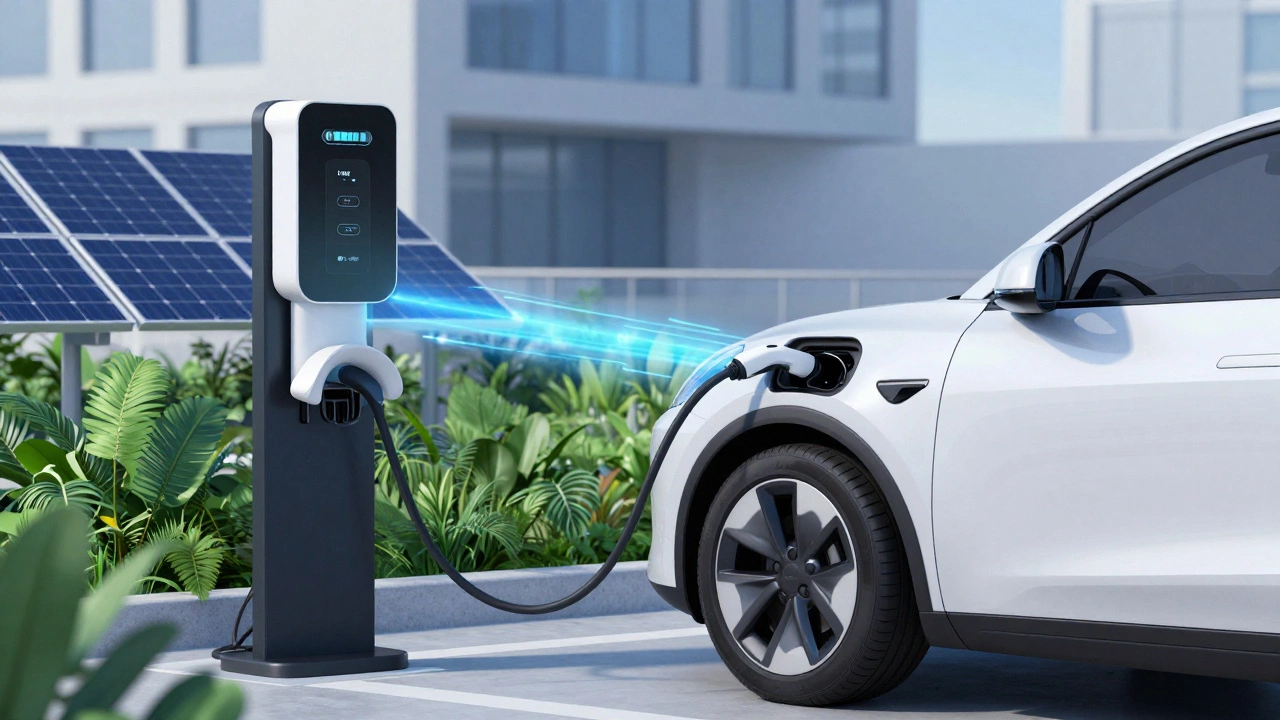
By 2026, the conversation has shifted to electric vehicles. The government introduced tax incentives for electric cars to reduce pollution and oil imports. Several companies are now assembling electric models. The National Automotive Policy is a strategic framework designed to modernize the sector and promote green energy.
Some local startups are also trying to build fully electric cars from scratch. These are not just assembly jobs. These companies design the chassis and the battery management systems in Pakistan. While they are small compared to Toyota or Suzuki, they represent the true spirit of a "car made by Pakistan." They are taking risks to create indigenous technology.
The infrastructure is also catching up. Charging stations are becoming more common in major cities like Karachi, Lahore, and Islamabad. This makes owning an electric car more viable. However, the cost of batteries remains high. Most electric cars in the country are still imported as complete units or assembled from kits because the battery technology is not yet manufactured locally.
Comparison with Neighboring India
It is impossible to talk about South Asian manufacturing without looking at India. India has a larger market and a more mature supply chain. They have companies like Tata Motors and Mahindra that design and build cars entirely in India. They export vehicles to many countries.
Pakistan's industry is smaller. The population is smaller, and the purchasing power is lower. This limits the scale of production. However, Pakistan has a strategic location. It sits between Central Asia and South Asia. If trade barriers are reduced, Pakistani cars could find new export markets. Currently, exports are limited to neighboring Afghanistan and some African nations.
The technology gap is narrowing. Indian manufacturers started earlier, but Pakistani plants are modernizing. In 2026, new factories are using robotics and AI for quality control. This helps them compete on quality, even if they cannot compete on price yet.
Common Models You Can Buy
If you walk into a dealership today, you will see specific models that define the market. The Toyota Corolla is the king of the road. It is reliable and holds its value well. The Suzuki Alto is the entry-level choice for budget buyers. The Honda City is popular among the middle class who want a bit more style.
For SUVs, the Kia Seltos and the Toyota Fortuner are top sellers. These are assembled locally to meet the demand for rugged vehicles. The market is shifting towards SUVs as people want higher ground clearance for city roads and rural travel.
Commercial vehicles are also part of the mix. The Toyota Hilux is used for business and transport. The Suzuki Bolan is a workhorse for small businesses. These vehicles are essential for the economy. They keep goods moving and people employed.
Challenges Facing the Industry
Despite the progress, there are hurdles. Energy costs are high. Running a factory requires electricity and gas. When prices rise, production costs go up. This forces companies to raise car prices. It makes the industry less competitive compared to imports.
Policy instability is another issue. When the government changes, tax rules often change too. This makes it hard for companies to plan for the long term. Investors want stability. They want to know that the rules will stay the same for at least five years. Frequent changes discourage new investment.
Safety standards are also a concern. While they have improved, they are not as strict as in Europe or the US. There is a push to align with global safety norms. This would require more testing and better materials. It would cost more, but it would save lives.
Conclusion on Local Production
So, is any car made by Pakistan? Yes, but with caveats. The vehicles are assembled locally using global technology. They carry the Pakistani flag on their assembly plates. They employ Pakistani workers. They pay taxes to the Pakistani government. But the core engineering often comes from abroad.
This is a common model for many developing nations. It is a stepping stone. Eventually, the goal is to design and build everything locally. For now, the industry is a hybrid. It combines foreign expertise with local labor. This mix has kept the roads moving for decades. As the industry evolves, we might see more truly indigenous models in the coming years.
Are there any cars designed in Pakistan?
Currently, most cars are designed by foreign partners like Toyota or Suzuki. However, some local startups are beginning to design electric vehicles with indigenous technology, though they are not yet mass-market.
What is CKD assembly?
CKD stands for Completely Knocked Down. It means the car parts are shipped in a box, and the final assembly happens in the local factory. This is how most cars in Pakistan are produced.
Which company makes the most cars in Pakistan?
Indus Motor Company, which assembles Toyota vehicles, is generally the largest manufacturer by volume in the country.
Do Pakistani cars get exported?
Yes, but in small numbers. Exports go mainly to Afghanistan and some African countries. The volume is much lower compared to imports.
Are electric cars available in Pakistan?
Yes, several electric models are available in 2026. Some are assembled locally, while others are imported. The government offers tax breaks to encourage their purchase.