Textile Business Startup Cost Calculator
Estimate Your Textile Business Startup Costs
Starting a textile business in India isn’t just about buying a loom or setting up a small workshop. It’s about tapping into one of the oldest and most dynamic industries in the world - an industry that employs over 45 million people and contributes nearly 2.5% to India’s GDP. In 2025, India exported $42 billion worth of textiles and apparel, making it the second-largest exporter after China. But here’s the truth: most new entrants fail within two years. Why? Because they skip the basics. This guide cuts through the noise. No fluff. Just what actually works.
Understand the Indian Textile Landscape
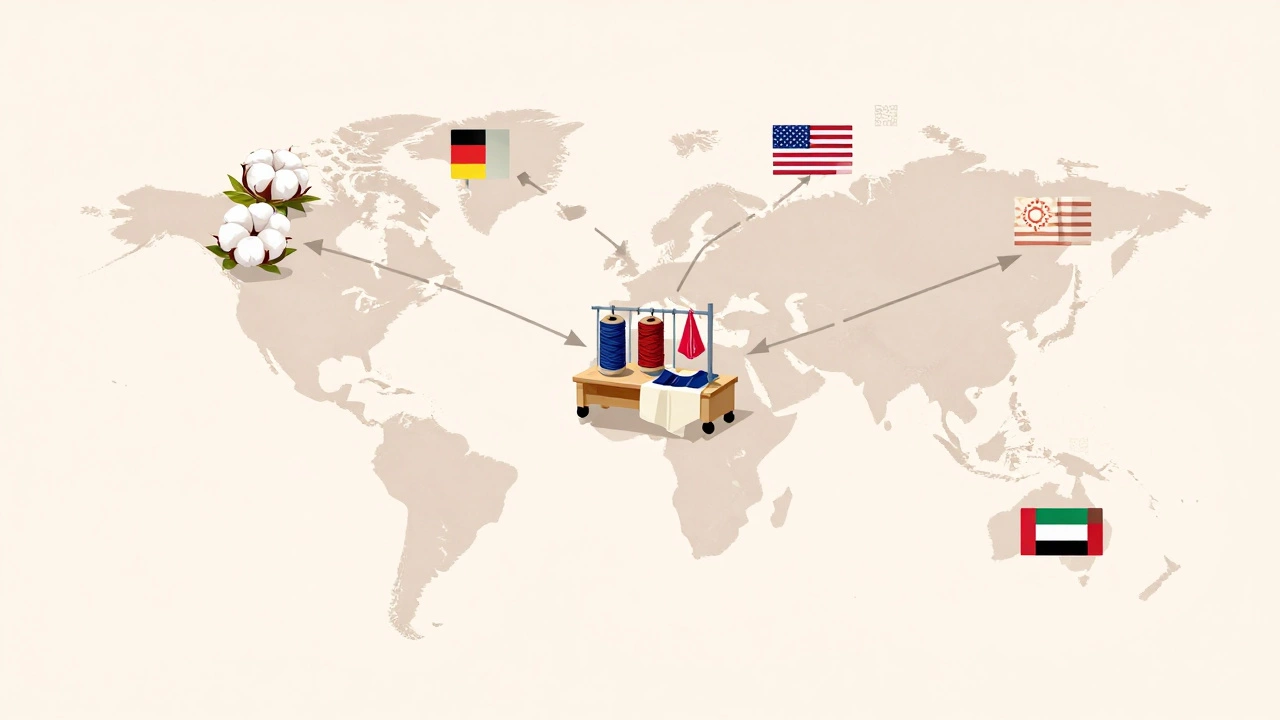
India doesn’t have one textile industry - it has dozens. From handwoven Banarasi silk in Uttar Pradesh to power-loom cotton in Tamil Nadu, each region specializes in something different. You can’t treat this like a generic manufacturing startup. If you’re targeting export markets, you need to know which fabrics are in demand where. For example, Bangladesh and Vietnam import raw cotton yarn from Gujarat. The UAE and Germany buy printed cotton fabrics from Surat. The U.S. and UK want organic cotton and sustainable dyes. Your product must match the market.
There are three main segments you can enter:
- Raw materials - spinning cotton, producing yarn, making fibers
- Processing - dyeing, printing, finishing fabrics
- Apparel and home textiles - sewing garments, bedsheets, curtains
Most beginners start with processing. Why? It requires less upfront investment than spinning mills and gives faster returns. You can begin with a small dyeing unit and scale as you build clients.
Choose Your Niche - Don’t Try to Do Everything
Trying to sell everything to everyone is the fastest way to burn cash. Pick one thing you can do better than 90% of competitors. Here are five profitable niches in 2026:
- Organic cotton garments - Demand grew 68% in 2024 alone. Buyers in Europe and North America pay 30-50% more for certified organic cotton.
- Technical textiles - Medical gowns, geotextiles, and protective gear. This segment is growing at 15% annually and is backed by government incentives.
- Handloom revival - Consumers are willing to pay premium prices for authentic, artisan-made fabrics. Think Pochampally Ikat, Chanderi silk.
- Recycled polyester - Made from plastic bottles. Big brands like H&M and Zara are sourcing this heavily.
- Custom-printed home textiles - Bedsheets, towels, and cushions with unique designs. Low competition, high margins.
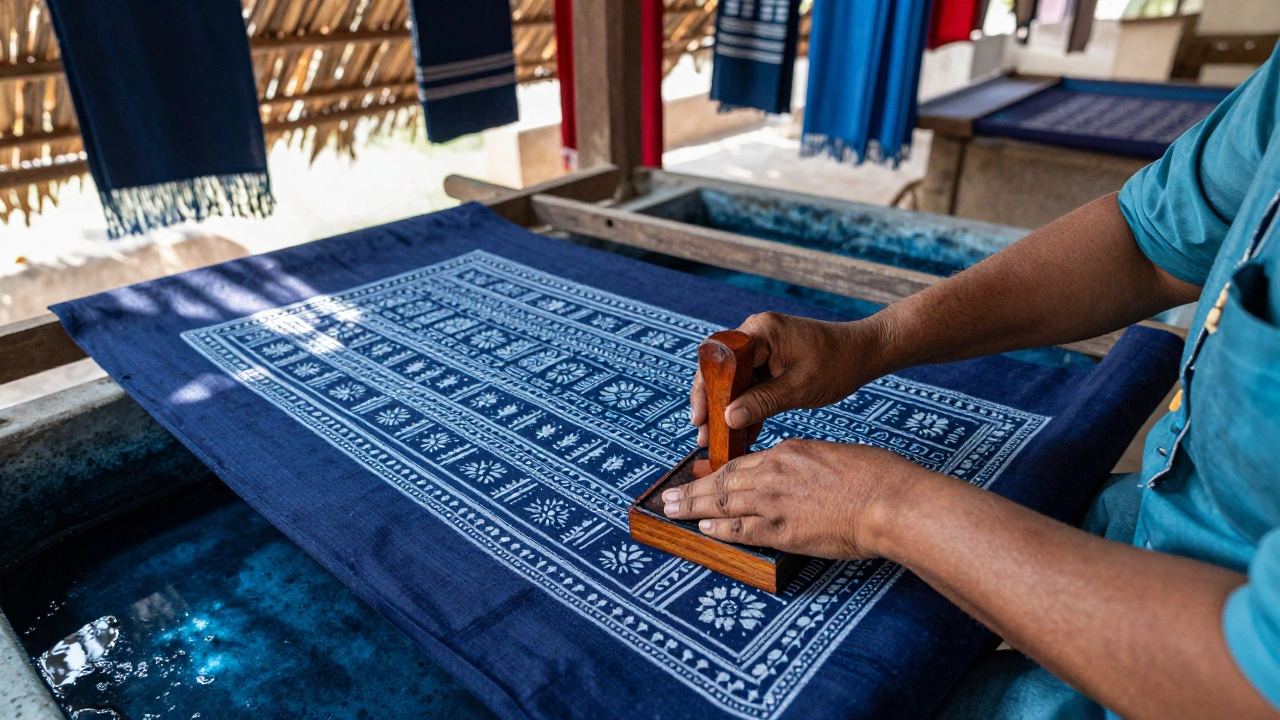
Don’t pick a niche because it sounds trendy. Pick one where you have access to raw materials, skilled labor, and buyers. If you’re in Rajasthan, focus on block printing. If you’re near Surat, focus on synthetic fabric printing.
Register and Get Legal Clearance
You can’t operate legally without the right paperwork. Here’s what you need:
- Business registration - Register as a Private Limited Company, LLP, or Sole Proprietorship. LLP is cheapest for small businesses.
- Udyam Registration - Free, online, and mandatory for MSME benefits. Get it at udyamregistration.gov.in. You’ll need your Aadhaar and bank details.
- GST registration - Required if your turnover exceeds ₹40 lakh (₹20 lakh for special category states).
- Factory license - Needed if you’re using machinery. Apply through your state’s Directorate of Industries.
- Environmental clearance - Required for dyeing and printing units. You’ll need an effluent treatment plant (ETP) to handle wastewater.
Many new owners skip the ETP. Don’t. In 2023, over 1,200 small textile units were shut down for illegal wastewater discharge. Compliance isn’t optional - it’s your license to operate.
Set Up Your Production Unit
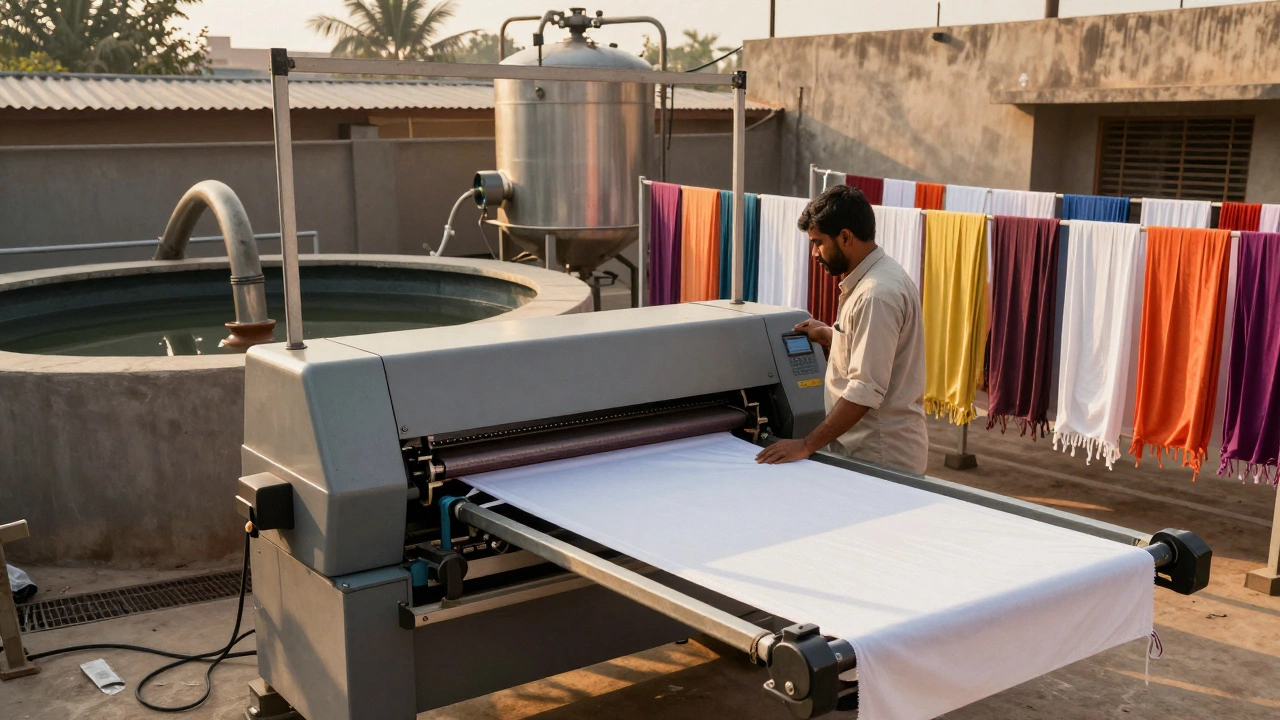
You don’t need a huge factory. Start small. A 500 sq. ft. unit can handle basic dyeing and printing if you plan right.
Here’s a realistic startup cost breakdown for a small processing unit:
| Item | Cost (INR) | Notes |
|---|---|---|
| Dyeing machine (100L capacity) | ₹4,50,000 | Electric, energy-efficient model |
| Printing machine (screen or digital) | ₹3,00,000 | Digital for small runs, screen for bulk |
| Effluent Treatment Plant (ETP) | ₹6,00,000 | Minimum 5000 L/day capacity |
| Raw materials (first batch) | ₹2,00,000 | Cotton, polyester, dyes, chemicals |
| Utilities & Setup | ₹3,50,000 | Electricity, water, rent deposit |
| Labor (3 workers, 3 months) | ₹1,80,000 | ₹20,000/month per worker |
| Legal & Registration | ₹50,000 | Udyam, GST, licenses |
| Total | ₹21,30,000 | ~$25,500 USD |
You can reduce costs by leasing equipment. Many textile hubs in Surat, Tiruppur, and Ludhiana have rental machine centers. Pay ₹15,000-₹25,000/month per machine. It’s safer than buying upfront.
Find Buyers - Don’t Wait for Them to Find You
Most textile startups die because they have great product but no customers. You need buyers before you make your first bolt of fabric.
Here’s how to find them:
- Export Promotion Councils - Join the Apparel Export Promotion Council (AEPC). They host buyer-seller meets, provide market reports, and help with export documentation.
- Trade fairs - Attend India Textile Fair in Mumbai or Texworld Paris if you can. Even a small booth with samples gets you 10-15 serious leads.
- Alibaba and IndiaMART - List your products with clear photos, certifications, and MOQs. Many international buyers search here first.
- Local garment exporters - Approach small exporters in Tiruppur or Jaipur. They need reliable dyeing partners. Offer to work on trial orders.
- Instagram and LinkedIn - Post videos of your production process. Use hashtags like #IndianTextileSupplier, #EthicalFashionIndia. Buyers are scrolling.
Start with small orders. A buyer from Poland might order 500 meters of printed cotton. Do it well. They’ll come back with 5,000 meters next time.
Use Government Schemes to Cut Costs
India has over 20 active schemes for textile startups. You’re leaving money on the table if you ignore them.
- Technology Upgradation Fund Scheme (TUFS) - Up to 15% subsidy on machinery purchases. Apply through your state’s textile department.
- Amended TUFS for MSMEs - Extra 5% subsidy if you’re registered under Udyam.
- Production Linked Incentive (PLI) Scheme - ₹10,683 crore allocated for apparel and technical textiles. You can get 5-10% cash incentive on incremental sales over 5 years.
- Interest Subsidy - If you take a loan under the Credit Guarantee Fund Trust for Micro and Small Enterprises (CGTMSE), you get 3% interest subsidy.
- Export incentives - Merchandise Export from India Scheme (MEIS) gives you 2-5% duty credit scrip.
Don’t wait to apply. Schemes fill up fast. Talk to your local District Industries Centre (DIC) - they have counselors who help with applications.
Build a Brand - Even If You’re Small
Textiles aren’t just fabric. They’re stories. A buyer from Sweden doesn’t care that your fabric is 100% cotton. They care that it’s handwoven by women in Odisha using natural indigo. That’s what sells.
Create a simple brand story:
- Where does your material come from?
- Who makes it?
- What makes it different?
Use QR codes on your fabric tags. Link them to a short video showing your workers, your dyeing process, your ETP in action. Transparency builds trust. And trust gets repeat orders.
What Most People Get Wrong
Here are three mistakes that kill textile startups:
- Buying machinery before securing buyers - Don’t spend ₹20 lakh on a machine unless you have a signed order for 10,000 meters.
- Ignoring quality control - One bad batch ruins your reputation. Hire a part-time quality inspector. Pay them ₹15,000/month. Worth every rupee.
- Working alone - You need someone who speaks English and understands export paperwork. Hire a part-time export coordinator. It’s cheaper than losing a shipment to customs.
Textile isn’t about how hard you work. It’s about working smart. Start small. Stay lean. Build relationships. The market is huge. But it doesn’t reward noise. It rewards consistency.
How much money do I need to start a textile business in India?
You can start a small dyeing or printing unit with ₹15-25 lakh (around $18,000-$30,000 USD). This covers machinery, ETP, raw materials, and 3-6 months of labor. If you lease equipment and work from a shared facility, you can begin with as little as ₹8 lakh. But remember: cash flow matters more than upfront cost. You need enough to cover 6 months of expenses before you get paid.
Can I start a textile business without prior experience?
Yes, but you’ll need help. Hire a technician with 5+ years in dyeing or printing. Pay them a fair salary - don’t try to cut corners. Textile production is technical. A single mistake in dye chemistry can ruin an entire batch. Partner with someone who knows the process. You can learn the business side - sales, marketing, compliance - but not the production.
Which cities are best for starting a textile business in India?
It depends on your niche. For cotton textiles: Surat (Gujarat) and Tiruppur (Tamil Nadu). For silk and handloom: Varanasi (Uttar Pradesh), Kanchipuram (Tamil Nadu), and Pochampally (Telangana). For technical textiles: Ludhiana (Punjab) and Coimbatore (Tamil Nadu). For export logistics: Mumbai, Chennai, and Nhava Sheva (Navi Mumbai). Choose based on access to raw materials and buyers - not just cost.
Is the textile business profitable in India in 2026?
Yes - if you focus on quality and niche markets. Profit margins in basic cotton printing are 10-15%. But in organic cotton, recycled polyester, or technical textiles, margins hit 25-40%. Export orders pay better and are more stable than domestic ones. The key is to avoid competing on price. Compete on reliability, certifications, and unique designs.
How do I get export orders for my textile products?
Join the Apparel Export Promotion Council (AEPC) and attend their buyer-seller meets. List your products on IndiaMART and Alibaba with clear specs. Send samples to small importers in the UAE, UK, and Germany - offer free samples with a minimum order of 1,000 meters. Follow up every 7 days. Most exporters get their first international client after 3-5 follow-ups. Don’t give up after one email.