
Zero-Capital Manufacturing Strategy Planner
Select Your Starting Point
Choose the approach that best fits your current situation:
Strategy 1: Service-First (Job Work)
Sell labor/services first to build cash flow without inventory risk.
Low Risk Fast Cash FlowStrategy 2: Pre-Selling & Crowdfunding
Validate demand and collect funds before producing any units.
Medium Risk High RewardStrategy 3: Leveraging Free Infrastructure
Use shared spaces, makerspaces, and barter networks to access equipment.
Resource Heavy Networking FocusYour Profile
Your Customized Roadmap
Step-by-Step Action Plan:
Critical First Steps This Week:
Starting a factory with empty pockets sounds like a fantasy. Most people imagine massive injection molding machines, warehouses full of raw steel, and shipping containers arriving daily. That model requires millions in capital. But what if you stripped away the heavy machinery? What if you focused on the core value of manufacturing: turning raw materials into finished goods using skill, time, and other people’s resources?
You can start a manufacturing business with zero cash by leveraging service models, pre-selling products, and utilizing free or shared infrastructure. The key is to trade labor for capital until you have enough revenue to buy your own equipment. This guide breaks down exactly how to do that in 2026.
The Reality Check: You Are Not Building a Factory
First, let’s redefine "manufacturing." In the traditional sense, it means owning the assets. In the modern, bootstrapped sense, it means orchestrating production. If you design a product but pay someone else to cut, assemble, or finish it, you are still a manufacturer. You just don’t own the hammer yet.
To start with no money, you must avoid CapEx (Capital Expenditure). Instead, focus entirely on OpEx (Operating Expenses) that are paid by customers before you incur them. This shifts the risk from your pocket to the market. If nobody buys, you lose nothing but time. If they do buy, you fund your growth.
Strategy 1: The Service-First Model (Job Work)
The fastest way to generate cash flow in manufacturing without buying inventory is to sell your labor as a service. This is often called "job work" or contract manufacturing. You offer to perform a specific manufacturing step for established businesses that lack the capacity or expertise to do it themselves.
- Assembly Services: Many small brands outsource final assembly. You can offer to package, label, or assemble kits in your garage or a shared workspace. You charge per unit. No inventory risk because the client provides the parts.
- Cutting and Finishing: If you have access to basic tools (even borrowed ones), offer cutting services for textiles, wood, or plastics. Local shops often need extra hands during peak seasons.
- Quality Control Inspection: Experienced eyes are valuable. Offer to inspect batches for defects for local manufacturers. This requires zero equipment, just knowledge and a checklist.
This approach builds relationships with suppliers and buyers. Once you trust a supplier, you can negotiate credit terms. Once you know a buyer, you can pitch your own branded products later.
Strategy 2: Pre-Selling and Crowdfunding
If you have a specific product idea, never build it before you sell it. Use the power of digital marketing to validate demand and collect funds simultaneously. Platforms like Kickstarter, Indiegogo, or even simple social media pre-orders allow you to manufacture based on confirmed orders.
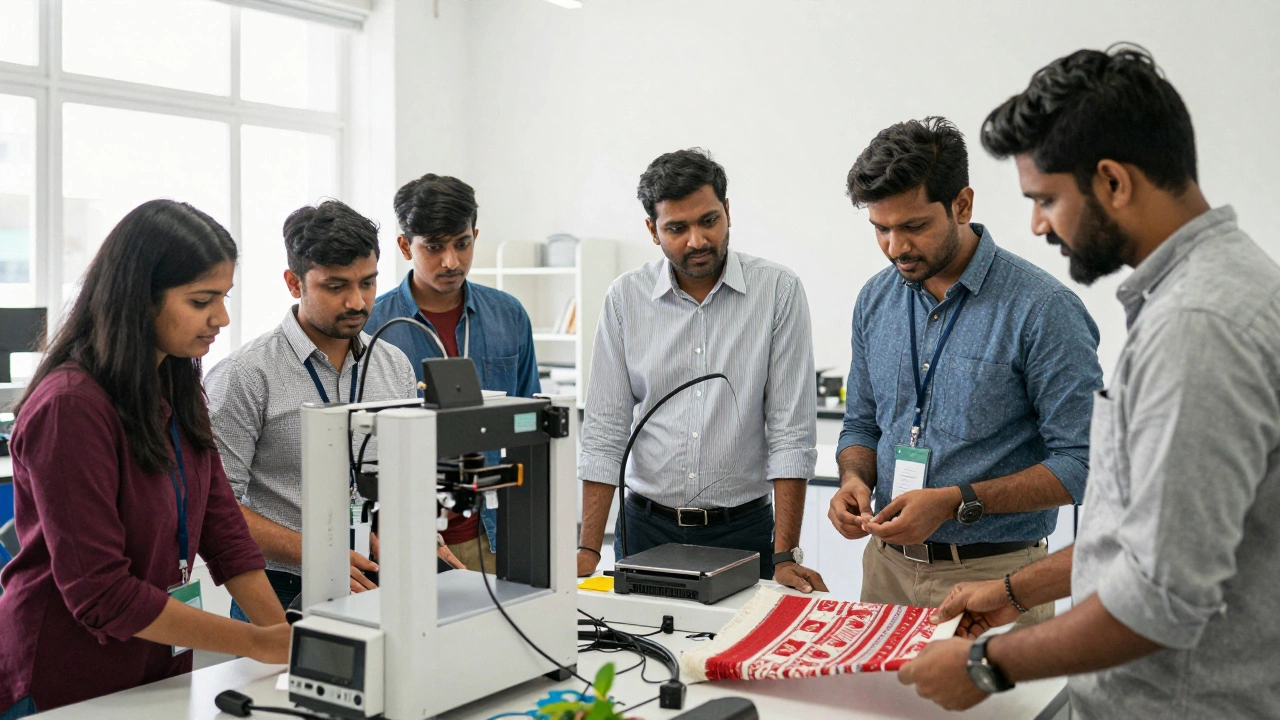
- Create a Prototype: Make one rough version using cheap materials or 3D printing at a library or makerspace. It doesn’t need to be perfect; it needs to look real in photos.
- Build a Landing Page: Use free tools like Carrd or Wix to create a simple page describing the product. Include high-quality images and a clear value proposition.
- Drive Traffic: Post videos of the prototype on TikTok, Instagram Reels, or YouTube Shorts. Focus on the problem it solves.
- Collect Payments: Use Stripe or PayPal to take deposits. Be transparent that these are pre-orders.
- Fulfill Orders: Take the collected cash to a local workshop or online manufacturer (like Alibaba or ThomasNet) to produce the first batch. Pay them only after you have received payment from customers.
This method ensures you never spend your own money on inventory. The customer effectively finances your production run.

Strategy 3: Leveraging Free Infrastructure
You don’t need to rent a warehouse on day one. There are numerous resources available to entrepreneurs who are willing to dig for them.
| Resource Type | What It Provides | How to Access |
|---|---|---|
| Makerspaces / Fab Labs | Access to 3D printers, laser cutters, CNC machines | Check local universities, libraries, or community centers. Many offer free trial days or student memberships. |
| Incubators & Accelerators | Office space, mentorship, sometimes seed funding | Apply to local startup hubs. Look for programs focused on hardware or manufacturing. |
| Government Grants | Non-repayable funds for innovation or job creation | Search Small Business Administration (SBA) grants or local economic development offices. Note: These are competitive and require detailed plans. |
| Barter Networks | Exchange services for goods or space | Join local business networking groups. Offer your marketing skills in exchange for use of a workshop. |
For example, if you want to make custom jewelry, you don’t need a goldsmith shop. Go to a local university art department. Ask if you can assist students with their projects in exchange for using their bench and tools during off-hours. You gain experience, network, and production capability for free.
Top Low-Cost Manufacturing Ideas for 2026
Not all manufacturing is created equal. Some industries require heavy regulation and expensive safety gear. Others can be started in a kitchen or living room. Here are five viable paths that require minimal upfront investment.
1. Custom Packaging and Labeling
Every e-commerce brand needs packaging. Buy blank boxes and labels in bulk only when you have an order. Offer design services using free tools like Canva. Print labels at home or a local print shop. Your value add is customization and speed, not the box itself.
2. Handmade Textiles and Apparel
Sewing machines can be bought second-hand for very little, or borrowed. Start with simple items like tote bags, scrunchies, or patchwork quilts. Sell on Etsy or at local markets. The margin on handmade goods is high because customers pay for the story and uniqueness, not just the fabric.
3. Food Processing (Small Batch)
Canning, pickling, and baking are ancient manufacturing processes. Check your local "cottage food laws." In many regions, you can sell non-perishable foods made in your home kitchen without a commercial license. Sell jams, hot sauces, or spice blends at farmers' markets. Reinvest profits into better jars and branding.
4. Woodworking and Upcycling
Scavenge for free wood from Craigslist, Facebook Marketplace, or construction sites. People throw away perfectly good pallets and furniture frames. Sand, stain, and resell them. This turns waste into wealth. You only need basic hand tools initially.
5. Digital-Physical Hybrids
Design products digitally (jewelry, phone cases, t-shirts) and use Print-on-Demand (POD) services. Companies like Printful or Redbubble handle printing, packing, and shipping. You upload the design, set the price, and keep the difference. You are technically a manufacturer of designs, with zero physical inventory risk.
Step-by-Step Launch Plan
Here is your actionable roadmap to go from $0 to your first sale.
- Identify a Niche Problem: Don’t try to make everything. Find a small group of people who need a specific item that is hard to find locally. Example: Custom ergonomic grips for garden tools.
- Validate with Conversations: Talk to 10 potential customers. Ask if they would buy it and how much. Do not mention you have no money. Just gauge interest.
- Source Materials on Credit: Approach local suppliers. Explain you are starting a business and ask for net-30 terms (pay in 30 days). Many will say yes if you seem serious and professional.
- Produce a Minimum Viable Product (MVP): Make 5-10 units using borrowed tools or manual labor. Document the process on social media. Transparency builds trust.
- Pre-Sell or Direct Sales: Reach out to your contacts from step 2. Offer a launch discount. Collect payment immediately.
- Fulfill and Iterate: Deliver the product. Ask for feedback. Use the profit to buy better materials or a small tool upgrade.
Pitfalls to Avoid
Even with no money, you can fail fast if you ignore these common traps.
- Underpricing: Don’t charge only for materials. Charge for your time. If you work 10 hours on a project, factor that into the price, even if you’re just starting out.
- Ignoring Legalities: Even home-based businesses need licenses. Check local zoning laws and health codes. A fine can wipe out your zero-capital advantage.
- Scaling Too Early: Do not rent a space or buy big equipment until you have consistent sales for three months. Let demand pull your growth, not push it.
- Burnout: Trading time for money is exhausting. Set boundaries. Automate administrative tasks early using free software.
Conclusion: Your Skills Are Your Capital
Starting a manufacturing business without money is not about magic; it’s about resourcefulness. It requires you to be a salesman, a marketer, and a producer all at once. By focusing on services first, pre-selling products, and leveraging shared resources, you remove the financial barrier to entry. The goal is not to stay small forever, but to build a foundation strong enough to support growth. Start with what you have, use what you know, and let your customers fund your journey.
Can I really start a manufacturing business with absolutely zero dollars?
Yes, but you must define "manufacturing" broadly. You cannot buy raw materials or machinery upfront. Instead, you start by selling services (assembly, design, consulting) or pre-selling products where the customer pays before you produce. You use the revenue from these initial transactions to fund the actual production costs. Essentially, you are trading your time and skills for the capital needed to scale.
What are the best low-cost manufacturing niches in 2026?
High-margin, low-regulation niches are best. These include custom packaging, handmade textiles, small-batch food processing (if allowed by cottage food laws), upcycled furniture, and print-on-demand digital designs. These areas require minimal specialized equipment and can be started in a home environment.
How do I get suppliers to give me credit if I have no history?
Build personal relationships. Visit local suppliers in person. Dress professionally and present a clear business plan, even if it's informal. Ask for small initial orders that you pay for immediately to build trust. Once you’ve made a few successful payments, request net-7 or net-14 terms. Consistency is key to earning creditworthiness.
Is crowdfunding safe for validating a manufacturing idea?
Crowdfunding is effective but risky if managed poorly. It validates demand, but you are legally obligated to deliver. Only launch a campaign if you have a working prototype and a clear supply chain plan. Underpromise on delivery dates and overdeliver on quality. Use platforms like Kickstarter or Indiegogo, but ensure you understand the fees and fulfillment responsibilities.
Do I need a business license to start manufacturing from home?
In most jurisdictions, yes. Even if you operate from home, you likely need a general business license and possibly a home occupation permit. For food or cosmetics, health and safety regulations are stricter. Always check with your local city or county clerk’s office. Operating without a license can lead to fines that destroy your zero-budget advantage.