
Manufacturing Startup Cost Estimator
Configuration
Estimated Investment Breakdown
Configure your options and click calculate to see recommendations.
Starting a manufacturing company is not just about buying machines and hiring workers. It is a complex dance of logistics, capital management, regulatory compliance, and market timing. Many entrepreneurs dream of the tangible satisfaction of creating physical goods, but they often underestimate the operational friction involved in turning raw materials into profitable products. If you are serious about entering this sector in 2026, you need more than enthusiasm; you need a rigorous blueprint that accounts for modern challenges like supply chain volatility and strict environmental regulations.
This guide cuts through the noise. We will walk you through the essential phases of launching a manufacturing business, from identifying a viable niche to securing your first major contract. Whether you are looking to start a small-scale workshop or a full-fledged industrial plant, the foundational principles remain the same: validate your product, secure your supply chain, and navigate the legal landscape with precision.
1. Identify Your Niche and Validate Demand
The biggest mistake new manufacturers make is building something nobody wants-or worse, something they can’t sell at a profit. Before you spend a dollar on equipment, you must define exactly what you are making and who is buying it. The manufacturing sector is vast, ranging from consumer electronics and textile production to specialized food processing and heavy machinery parts.
To find your niche, look for gaps in the current market. Are local businesses struggling with long lead times from overseas suppliers? Is there a growing demand for sustainable, locally sourced materials? For example, the shift toward eco-friendly packaging has created a boom in biodegradable plastic manufacturing. Conversely, traditional single-use plastics face increasing regulatory headwinds.
Validate your idea by talking to potential customers. Don’t rely on surveys alone; ask them if they would sign a letter of intent (LOI) or place a small pilot order. If you can’t get a commitment for a prototype, you likely don’t have a viable business yet. Focus on sectors where you have existing industry knowledge or strong connections, as this reduces the learning curve significantly.
2. Develop a Robust Manufacturing Business Plan
Your business plan is your roadmap and your pitch deck for investors. In manufacturing, generic plans fail because they ignore the specific financial realities of the industry. You need detailed projections for cost of goods sold (COGS), which includes raw materials, direct labor, and overheads like factory rent and utilities.
Key components of your plan should include:
- Product Specifications: Detailed technical drawings, material requirements, and quality standards.
- Production Capacity: How many units can you produce per day, week, or month? What is your bottleneck?
- Pricing Strategy: Ensure your price covers variable costs and contributes enough to fixed costs to reach profitability.
- Market Analysis: Who are your competitors? What is their capacity? Why will customers choose you?
In 2026, investors also expect to see a sustainability strategy. How will you manage waste? What is your energy consumption profile? Integrating green practices isn’t just good PR; it’s becoming a requirement for many large corporate buyers who have their own carbon neutrality goals.
3. Secure Funding and Manage Capital
Manufacturing is capital-intensive. You need money before you make your first sale. This is known as working capital, and it covers everything from purchasing raw materials to paying salaries while you wait for clients to pay their invoices.
Common funding sources include:
- Bootstrapping: Using personal savings. This gives you full control but limits your scale.
- Bank Loans: Traditional term loans for equipment and working capital. Banks will want to see collateral and a solid credit history.
- Government Grants: Many governments offer grants for startups in strategic industries like advanced manufacturing, renewable energy components, or medical devices. Check local economic development agencies.
- Angel Investors/Venture Capital: Suitable for high-growth tech-enabled manufacturing businesses, such as those using automation or AI in production.
A rule of thumb is to have enough cash flow to cover at least six months of operations without any revenue. Manufacturing margins can be thin, and unexpected delays in supply chains can eat into your reserves quickly.
4. Legal Structure, Licensing, and Compliance
You cannot operate a factory without proper legal permissions. The regulatory environment varies by location and industry, but some basics are universal. First, choose your business structure-LLC, Corporation, or Sole Proprietorship-based on liability protection and tax implications. Most manufacturers opt for an LLC or Corporation to shield personal assets from business liabilities.
Next, obtain the necessary licenses:
- Business License: General permission to operate in your city or state.
- Industrial Licenses: Specific permits for your type of manufacturing. For example, food processing requires health department approvals, while chemical manufacturing needs environmental agency clearances.
- Zoning Permits: Ensure your chosen location is zoned for industrial use. Operating in a commercial or residential zone can lead to shutdowns.
- Environmental Compliance: You may need permits for emissions, wastewater discharge, or hazardous waste disposal. Ignoring these can result in massive fines.
Don’t forget intellectual property. If you have a unique design or process, file for patents or trademarks early. Protecting your IP is crucial when you are sharing details with suppliers or potential partners.
5. Choose the Right Location and Facility
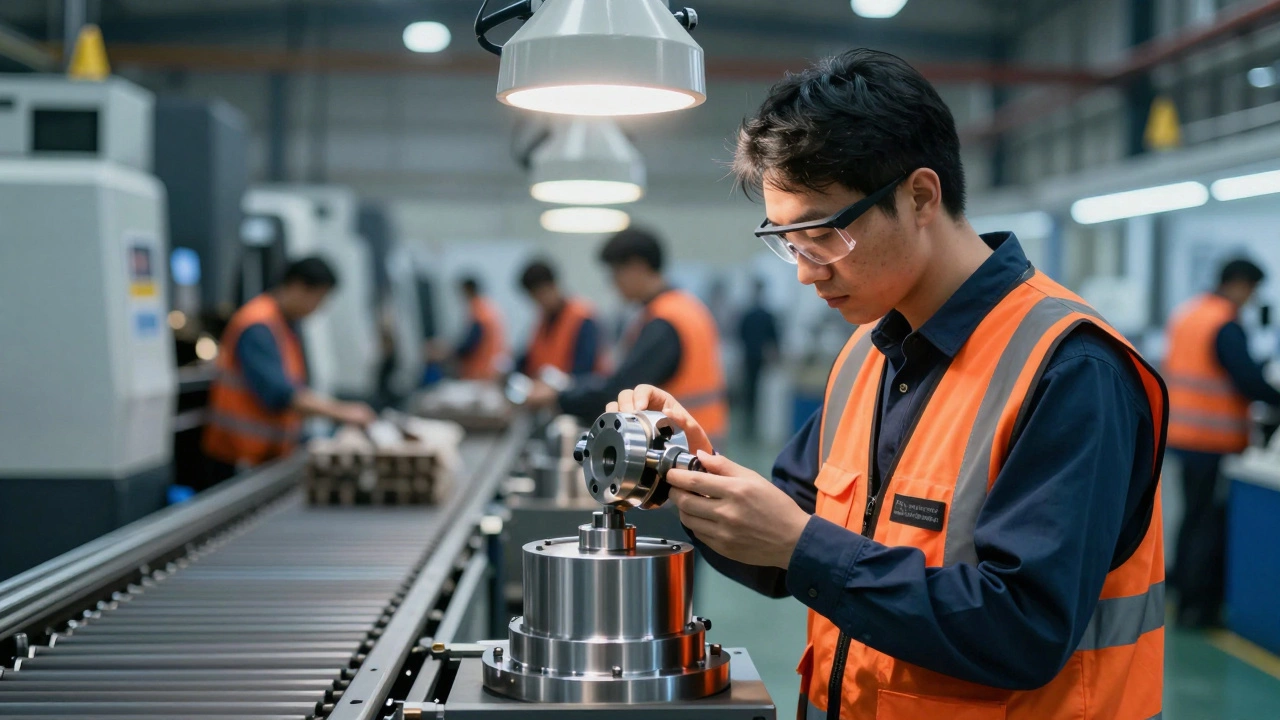
The location of your facility impacts your costs, efficiency, and talent pool. You need a space that accommodates your machinery, allows for future expansion, and provides easy access to transportation networks for shipping goods.
Consider these factors:
- Proximity to Suppliers: Being close to raw material sources reduces transportation costs and lead times.
- Access to Labor: Is there a skilled workforce nearby? Do you need to provide training or relocation packages?
- Infrastructure: Does the site have adequate power supply, water, and internet connectivity? Heavy manufacturing may require three-phase electricity.
- Logistics: Easy access to highways, ports, or rail lines is critical for getting products to customers efficiently.
Leasing vs. Buying: Leasing offers flexibility and lower upfront costs, which is ideal for startups. Buying provides long-term stability and asset value but ties up significant capital. Many new manufacturers start with a lease and buy later once they have established cash flow.
6. Source Equipment and Raw Materials
Your machinery is the heart of your operation. Choosing the right equipment involves balancing cost, capacity, and technology. New machines come with warranties and support but are expensive. Used equipment is cheaper but may require frequent maintenance and lack modern efficiency features.
In 2026, consider investing in smart manufacturing technologies. Sensors and IoT devices can monitor machine performance, predict maintenance needs, and reduce downtime. This data-driven approach can give you a competitive edge in efficiency and quality control.
Equally important is sourcing reliable suppliers. Don’t rely on a single supplier for critical materials. Build relationships with multiple vendors to mitigate risks. Evaluate suppliers based on quality, reliability, pricing, and ethical practices. Conduct audits if necessary to ensure they meet your standards.
7. Hire and Train Your Team
Even the best machinery needs skilled operators. Your team includes machine operators, quality control inspectors, maintenance technicians, and administrative staff. Hiring the right people is critical because mistakes in manufacturing can be costly in terms of wasted materials and damaged reputation.
Focus on safety culture from day one. Manufacturing environments have inherent risks. Implement strict safety protocols, provide comprehensive training, and invest in personal protective equipment (PPE). A safe workplace reduces accidents, lowers insurance costs, and boosts morale.
Train your employees not just on how to run machines, but on quality standards and problem-solving. Empower them to stop the line if they detect a defect. This proactive approach prevents bad products from reaching customers.
8. Establish Quality Control and Production Processes
Quality is non-negotiable. One batch of defective products can ruin your reputation and lead to costly recalls. Implement a robust quality management system (QMS) aligned with international standards like ISO 9001. This framework helps you consistently deliver products that meet customer and regulatory requirements.
Define standard operating procedures (SOPs) for every step of the production process. Document how materials are handled, how machines are set up, and how finished goods are inspected. Regularly review and update these SOPs to incorporate improvements and lessons learned.
Use statistical process control (SPC) to monitor production variability. By tracking key metrics, you can identify trends and address issues before they become major problems. Consistent quality builds trust with customers and leads to repeat business.
9. Launch Marketing and Sales Strategies
Building the product is only half the battle. You need a clear plan to sell it. For B2B manufacturing, sales cycles can be long. Start building relationships well before you launch. Attend trade shows, join industry associations, and leverage LinkedIn to connect with procurement managers.
Create a professional website that showcases your capabilities, certifications, and case studies. Include high-quality images and videos of your production process. Transparency builds trust. Offer samples to potential clients so they can test your product quality firsthand.
Consider digital marketing strategies like SEO and content marketing to attract organic traffic. Write blog posts about industry trends, manufacturing tips, and your expertise. This positions you as a thought leader and improves your visibility online.
10. Scale and Optimize Operations
Once you have steady orders, focus on scaling efficiently. Look for ways to reduce waste, improve cycle times, and lower costs. Continuous improvement methodologies like Lean Manufacturing and Six Sigma can help you eliminate inefficiencies.
Reinvest profits into upgrading technology, expanding capacity, or developing new products. Stay agile and responsive to market changes. Monitor competitor activities and customer feedback closely. Adapt your offerings to meet evolving needs.
Finally, build a strong company culture. Happy employees are more productive and innovative. Recognize achievements, encourage collaboration, and provide opportunities for growth. A motivated team is your greatest asset in sustaining long-term success.
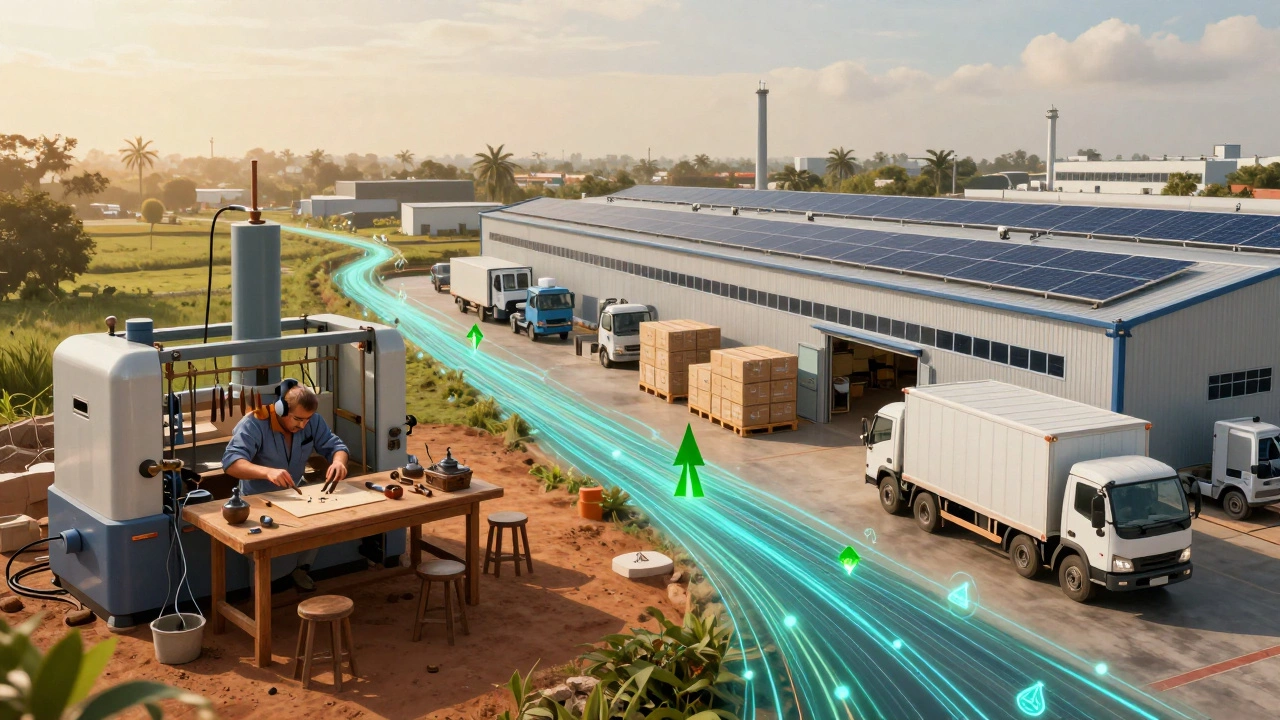
| Model | Initial Investment | Risk Level | Time to Market | Best For |
|---|---|---|---|---|
| Small-Scale Workshop | Low ($10k - $50k) | Medium | Fast (1-3 months) | Niche crafts, prototypes, custom parts |
| Mid-Size Factory | Medium ($50k - $500k) | High | Moderate (3-9 months) | Regional suppliers, established brands |
| Large Industrial Plant | High ($500k+) | Very High | Slow (9-18+ months) | Mass production, commodity goods |
Frequently Asked Questions
How much capital do I need to start a small manufacturing business?
The amount varies widely depending on the industry and scale. A small-scale workshop might start with $10,000 to $50,000 for basic tools and a small space. Mid-size operations typically require $50,000 to $500,000 for machinery, inventory, and staffing. Large industrial plants can require millions. Always budget for at least six months of working capital to cover operating expenses before revenue stabilizes.
What are the most common legal requirements for manufacturing startups?
You generally need a general business license, specific industrial permits based on your product type (e.g., food safety, chemical handling), zoning clearance for your facility, and environmental compliance permits. You may also need occupational health and safety registrations. Intellectual property protection like patents or trademarks is highly recommended if you have unique designs.
How do I find reliable suppliers for raw materials?
Start by attending industry trade shows and using B2B directories like Alibaba or ThomasNet. Request samples and conduct thorough vetting, including checking references and reviewing quality certifications. Visit their facilities if possible. Diversify your supplier base to avoid dependency on a single source, which mitigates supply chain risks.
Is it better to lease or buy manufacturing equipment?
For startups, leasing is often better because it preserves cash flow and offers flexibility to upgrade technology as it evolves. Buying is advantageous if you have ample capital, plan to use the equipment long-term, and want to build asset equity. Leasing can also have tax benefits, so consult with a financial advisor.
How important is quality control in manufacturing?
It is critical. Poor quality leads to returns, refunds, and reputational damage that can bankrupt a new business. Implementing a Quality Management System (QMS) like ISO 9001 ensures consistency. Regular inspections, employee training, and statistical process control help catch defects early, saving money and building customer trust.
What role does technology play in modern manufacturing?
Technology is transformative. IoT sensors enable predictive maintenance, reducing downtime. Automation increases speed and precision. Data analytics optimize supply chains and production schedules. Adopting Industry 4.0 technologies can significantly lower costs and improve competitiveness, even for smaller manufacturers.