Manufacturing Funding Calculator
Getting your first funding for a manufacturing startup isn’t about having the fanciest pitch deck or the loudest voice. It’s about showing real progress with real numbers. Most founders think they need millions to start making things. That’s not true. You can start small, prove demand, and attract funding without giving up half your company.
Start with what you can build, not what you dream of
Too many manufacturing founders waste months writing business plans that never leave their laptop. Instead, build one prototype. Make five units. Sell them to three local customers. That’s your proof. Investors don’t fund ideas. They fund traction. A small batch of handmade metal brackets sold to a local bike shop? That’s more valuable than a 40-page PDF.
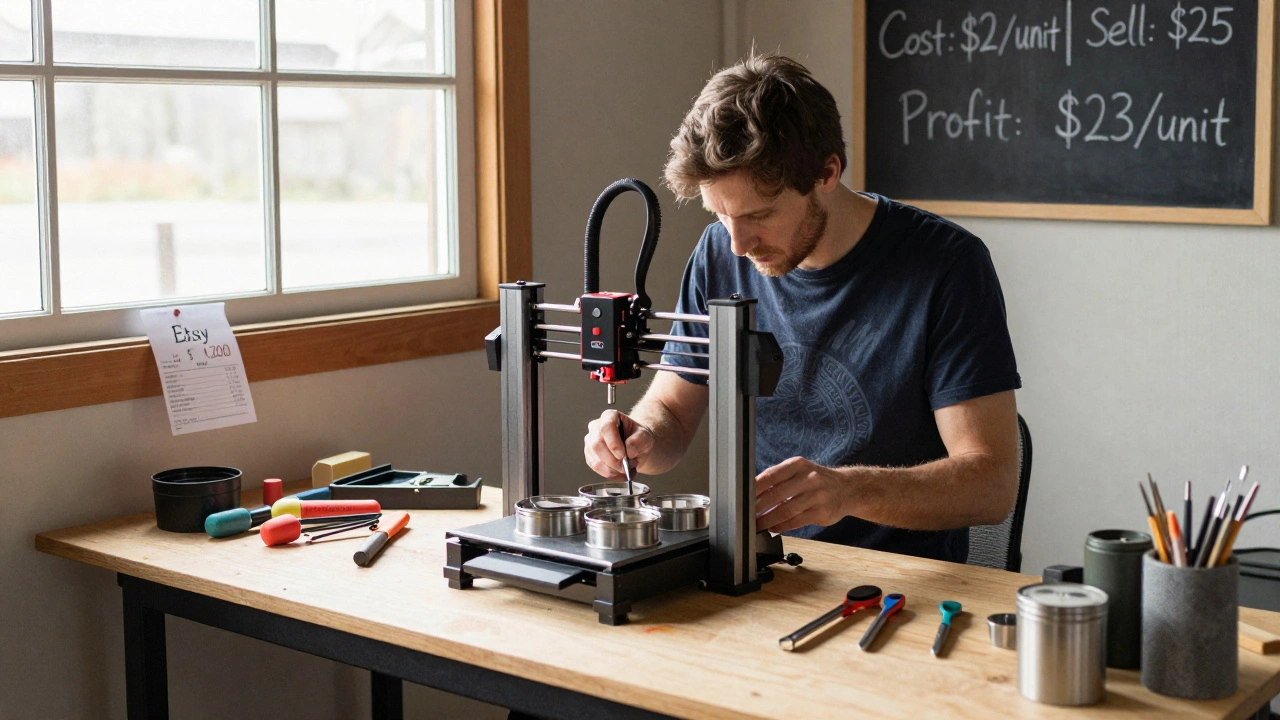
Take the example of a Sydney-based startup that made reusable stainless steel coffee filters. They didn’t start with a factory. They used a 3D printer to make 20 prototypes, sold them on Etsy for $25 each, and made $1,200 in 3 weeks. That $1,200 wasn’t profit-it was validation. That’s what they showed to their first investor.
Know your numbers before you ask for money
Investors don’t care that your product is ‘innovative.’ They care about cost, margin, and scalability. If you can’t tell them how much it costs to make one unit and how much you sell it for, you’re not ready.
Here’s the bare minimum you need to know:
- Cost per unit (materials + labor + overhead)
- Selling price (what customers actually pay)
- Break-even point (how many units you need to sell to cover costs)
- Monthly cash burn (how much you spend before you make anything)
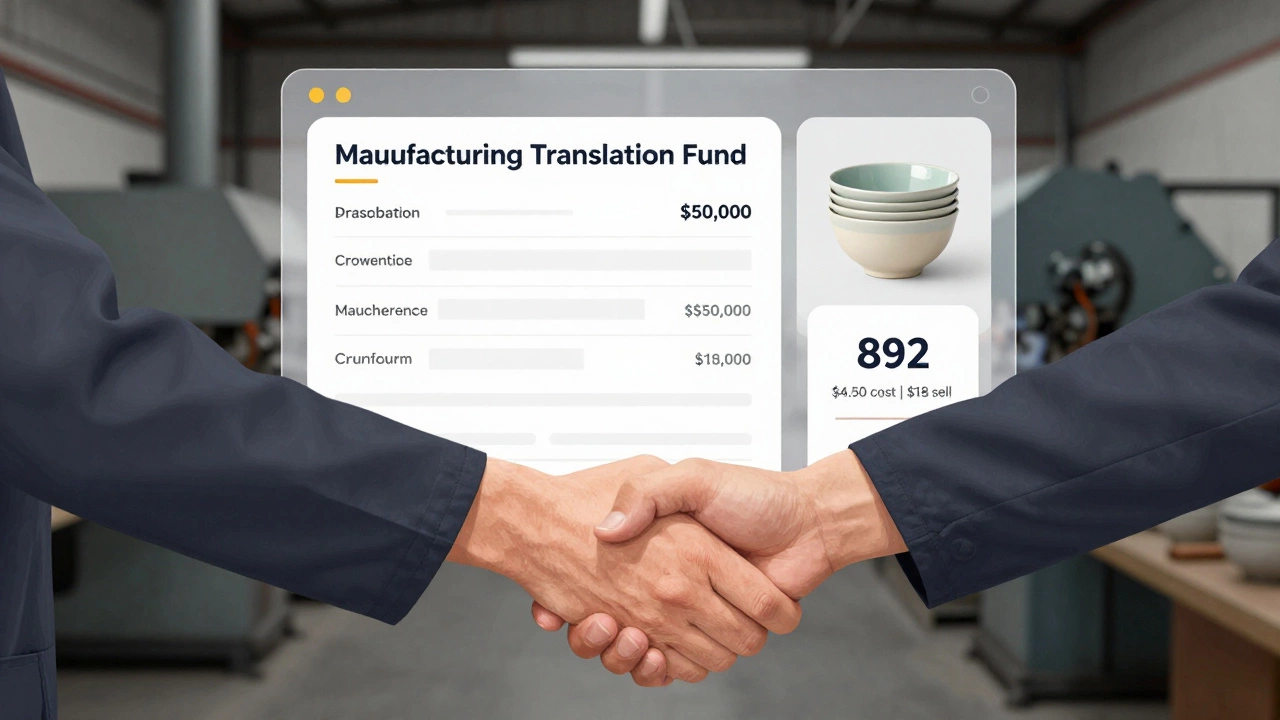
If your cost to make a ceramic kitchen bowl is $4.50 and you sell it for $18, that’s a 300% markup. That’s attractive. If your cost is $15 and you sell it for $20, you’re not a manufacturer-you’re a hobbyist. Investors can smell that from a mile away.
Use local grants and government programs
Australia has dozens of state and federal grants for small manufacturers. They’re not secret. They’re just underused because people think they’re too complicated. They’re not.
The Manufacturing Translation Fund offers up to $50,000 for small manufacturers to scale production. You don’t need to be profitable yet-you just need to show a working prototype and a clear plan to make 1,000+ units in 12 months.
The Regional Innovation Fund gives grants to manufacturers outside Sydney and Melbourne. If you’re in regional NSW, South Australia, or regional Queensland, you could get $20,000-$75,000 just for setting up a small workshop.
Don’t wait for a VC to call. Apply for these. They’re free money. You don’t give up equity. You don’t pay interest. You just need to show you’re serious.
Find the right kind of investor
Not all investors are the same. Venture capitalists want to scale to $100 million in revenue. They don’t care about your $50,000-a-year manufacturing business.
Look for angel investors who have made things themselves. Former factory owners. Ex-supply chain managers. People who’ve run small workshops. They understand tooling costs, lead times, and quality control. They don’t need a 10x return-they just want to back someone who knows what they’re doing.
Where to find them? Attend local maker fairs. Join the Australian Manufacturing Workers’ Union small business network. Go to chamber of commerce events. Don’t go to tech pitch nights. Those are for app startups. You’re building something physical. Go where the people who build things hang out.
Start with pre-orders, not equity
Instead of giving away shares, ask customers to pay upfront. This is called pre-selling. It’s how many successful manufacturers started.
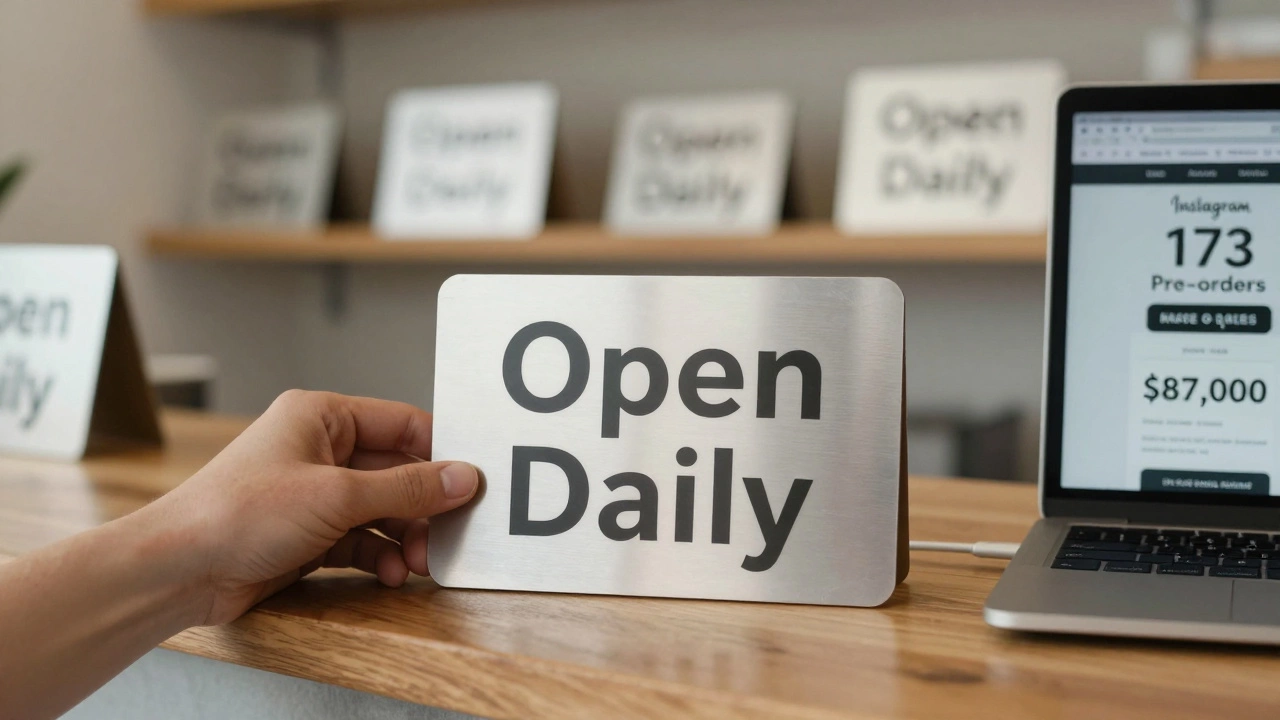
One Perth-based company that makes custom aluminum signs for small businesses raised $87,000 in pre-orders before they even bought their CNC machine. They used Instagram ads targeting local cafes, gyms, and salons. Their ad said: ‘Pre-order your custom metal sign. Get 30% off. Shipping in 6 weeks.’ They sold 173 signs. That money paid for the machine. They didn’t owe anyone a single percent of the company.
Pre-orders turn customers into co-founders. They’re not just buying-they’re betting on you. That’s stronger than any investor letter.
Use crowdfunding for validation, not just cash
Kickstarter and Indiegogo aren’t just for gadgets. They work for manufacturing too-if you do it right.
A Melbourne startup that made compact, solar-powered water purifiers for camping used Indiegogo. They didn’t raise $1 million. They raised $112,000 from 892 backers. But the real win? They got 3,000 emails from people who wanted to buy. That list became their first sales team. They now sell to outdoor retailers across Australia and New Zealand.
Key rules for manufacturing crowdfunding:
- Show real prototypes, not renders
- Be honest about timelines (‘Shipping in 6 months’ not ‘Ships next week’)
- Offer early-bird pricing-people pay more to be first
- Update backers weekly. They’re your biggest fans
Build relationships before you ask for money
The best funding doesn’t come from cold emails. It comes from trust.
Find a local machine shop owner. Offer to help them with a small job for free. Ask them about their biggest headaches. Show up every week for a month. Don’t talk about your startup. Talk about their business.
After three months, they’ll say: ‘Hey, I’ve been watching what you’re doing. I’ve got $20,000 I can lend you if you need it.’ That’s real funding. No pitch deck. No term sheet. Just a handshake.
Manufacturing is a relationship business. Your first investor might be the guy who fixes your CNC machine. Your second might be the supplier who gives you 60-day payment terms because you’ve been paying your other bills on time.
Don’t chase big money. Chase control.
Many founders think they need $500,000 to start. They borrow, give away 30% equity, and spend it all on equipment they don’t need. Then they’re stuck with investors who demand growth they can’t control.
Instead, aim for $20,000-$50,000. Enough to make 1,000 units. Enough to prove demand. Enough to get your first 100 paying customers.
With that, you can:
- Buy your own small machine
- Pay for a part-time production assistant
- Run targeted ads to your niche
- Build a simple website with Shopify
Once you’re making $10,000 a month in profit, you can raise more. But now you’re negotiating from strength. Not desperation.
What to avoid at all costs
- Don’t use credit cards to fund production. Interest rates will kill you.
- Don’t hire a full-time team before you have 30 paying customers.
- Don’t buy expensive machinery on loan. Lease it first.
- Don’t pitch to investors who don’t understand physical products.
- Don’t wait for ‘perfect.’ Ship something. Then improve it.
One founder I know spent 11 months perfecting a titanium bike frame. He never sold one. Another made 100 basic frames in 3 weeks. Sold 67. Reinvested the cash. Now he employs 8 people. The difference? Action over perfection.
Next steps: Your 30-day funding plan
- Week 1: Build one prototype. Take photos. Film a 60-second video of it working.
- Week 2: Sell 5 units to friends, local shops, or online. Get real money in your account.
- Week 3: Apply for one government grant (start with your state’s manufacturing fund).
- Week 4: Reach out to 3 local manufacturers. Offer to help them with a small job. Ask for advice, not money.
That’s it. No fancy slides. No investor meetings. Just action. In 30 days, you’ll have something real. And that’s what funding follows.
Can I get funding without giving up equity?
Yes. Government grants, pre-orders, crowdfunding, and supplier credit don’t require you to give up ownership. Grants are free money. Pre-orders are customer payments. Supplier credit lets you delay paying for materials. These are all equity-free ways to fund your startup.
How much money do I really need to start a small manufacturing business?
You can start with as little as $5,000-$15,000 if you’re smart. That covers materials for your first 100 units, basic tools, a website, and shipping. You don’t need a factory. You need customers. Focus on making and selling 100 units before spending more than $20,000.
What’s the fastest way to get my first $10,000 for manufacturing?
Pre-sell your product. Use Instagram or Facebook ads to target a specific niche-like local cafes wanting custom metal signs or outdoor stores needing durable gear. Offer a 25-40% discount for early buyers. If you get 200 people to pay $50 each, you’ve raised $10,000 without debt or equity loss.
Are there grants for manufacturing startups in Australia?
Yes. The federal Manufacturing Translation Fund and state programs like NSW’s Manufacturing Growth Program offer grants from $10,000 to $75,000. You need a prototype, a production plan, and to be an Australian-based business. Applications open year-round. Don’t wait-apply before you need the money.
Should I use a business incubator for manufacturing?
Most incubators focus on software. For manufacturing, look for maker spaces or industrial co-working hubs. Places like Melbourne’s Factory 42 or Brisbane’s MakeLab offer shared tools, mentorship from ex-factory owners, and access to local suppliers. These are far more useful than a tech incubator with no experience in physical products.
What’s the biggest mistake first-time manufacturing founders make?
They spend too much on equipment before proving demand. Buying a $50,000 CNC machine before you’ve sold 50 units is a recipe for failure. Lease tools. Use contract manufacturers. Start small. Prove your product sells. Then scale. Speed beats scale in the early days.
Your first funding isn’t about impressing someone in a suit. It’s about showing real progress with real people. Make something. Sell it. Learn. Repeat. That’s how manufacturing startups survive-and thrive.