Furniture Business Startup Cost Calculator (India)
Estimate your total investment for a semi-automated furniture unit in India based on 2026 market rates.
Starting a furniture business in India is no longer just about buying a saw and some wood. The market has shifted. You are competing with organized retail giants like Pepperfry and Urban Loom, while also catering to the massive demand for custom, handcrafted pieces that mass production can't replicate. But before you cut your first board, you need to know exactly where your money goes.
The short answer? You can launch a small-scale workshop for as little as ₹5 lakhs, but a semi-automated unit capable of scaling will require between ₹15 lakhs and ₹30 lakhs. This guide breaks down every rupee you’ll spend, from legal registrations to raw material procurement, so you don’t run out of cash before your first order ships.
1. Defining Your Model: Workshop vs. Factory
Your startup cost depends entirely on what kind of furniture business you are building. There is no single "cost" because the operations differ wildly.
- The Artisan Workshop: Focuses on high-end, custom solid wood or teak furniture. Low volume, high margin. Requires skilled carpenters rather than heavy machinery. Ideal for niche markets in metros like Mumbai, Delhi, or Bangalore.
- The Semi-Automated Unit: Produces standardized items like wardrobes, TV units, or office desks using engineered wood (MDF, Plywood). Higher volume, lower margin per unit. Requires CNC machines and edge banding equipment.
- The Assembly Hub: Buys pre-cut panels and hardware, then assembles them. Lowest capital requirement, but lowest control over quality and supply chain.
For this breakdown, we will focus on the Semi-Automated Unit, as it offers the best balance of scalability and profitability for new entrepreneurs in 2026.
2. Legal Registrations and Compliance Costs
In India, bureaucracy can eat up your budget if you aren’t prepared. You cannot skip these steps if you want to sell B2B or list on e-commerce platforms.
| Registration Type | Estimated Cost (INR) | Why You Need It |
|---|---|---|
| MSME/Udyam Registration | ₹0 - ₹2,000 | Access to government subsidies and loans |
| GST Registration | ₹0 - ₹1,000 | Mandatory for inter-state sales and input tax credit |
| Shop & Establishment Act | ₹1,000 - ₹5,000 | State-specific license to operate a physical premises |
| BIS Certification (ISI Mark) | ₹15,000 - ₹50,000 | Required for specific products like steel furniture or mattresses |
| Fire Safety NOC | ₹5,000 - ₹20,000 | Mandatory for factories with large storage areas |
Don’t underestimate the time cost here. Hiring a CA or consultant for ₹10,000-₹15,000 upfront can save you weeks of running around government offices. Also, check if your state offers specific incentives under the Make in India initiative for MSMEs in manufacturing clusters.
3. Machinery and Equipment Investment
This is the biggest chunk of your capital expenditure (CapEx). In 2026, manual labor alone isn’t enough to compete on price and precision. You need technology.
A basic setup includes:
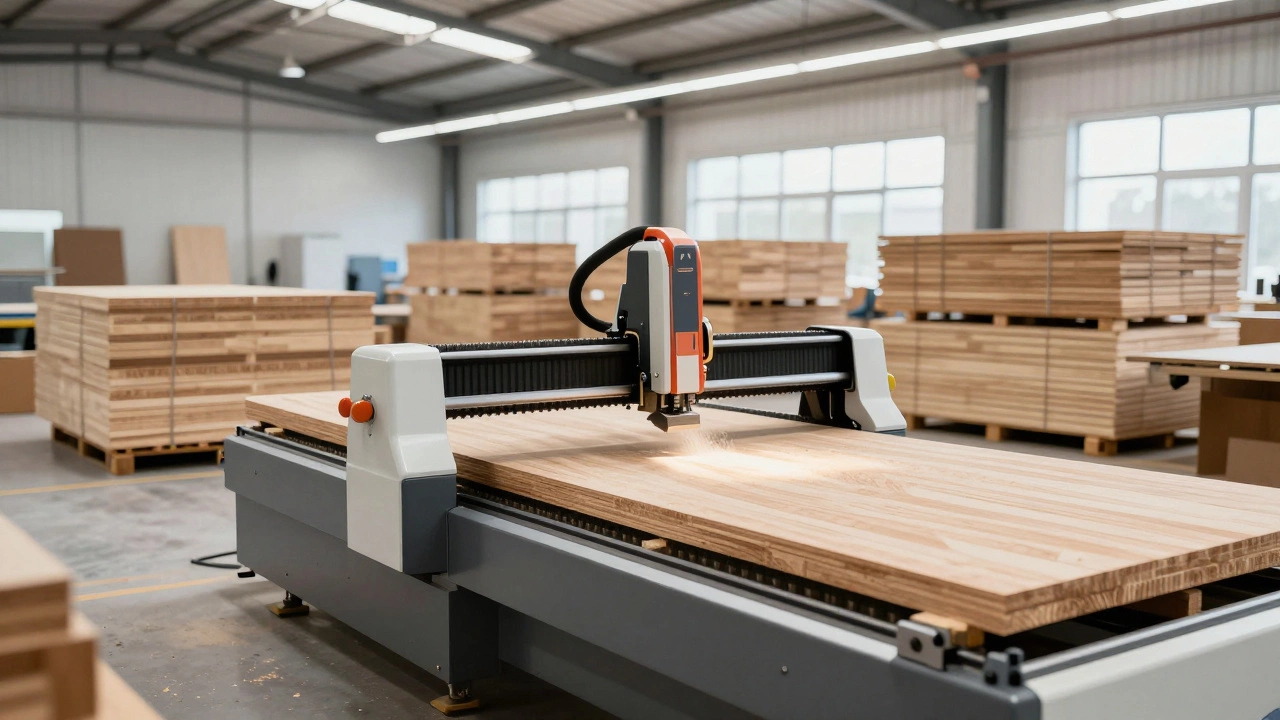
- CNC Router Machine: The heart of modern furniture making. A Chinese import might cost ₹4-6 lakhs, while an Indian-made or European brand can range from ₹8-15 lakhs. This machine cuts plywood, MDF, and particle board with millimeter precision.
- Edge Banding Machine: Essential for finishing edges of laminated boards. Semi-auto models start at ₹1.5 lakhs.
- Pneumatic Nail Guns & Compressor: For assembly. Budget ₹50,000-₹1 lakh.
- Panel Saw: For straight cuts if you aren’t relying solely on CNC. Approx ₹2-3 lakhs.
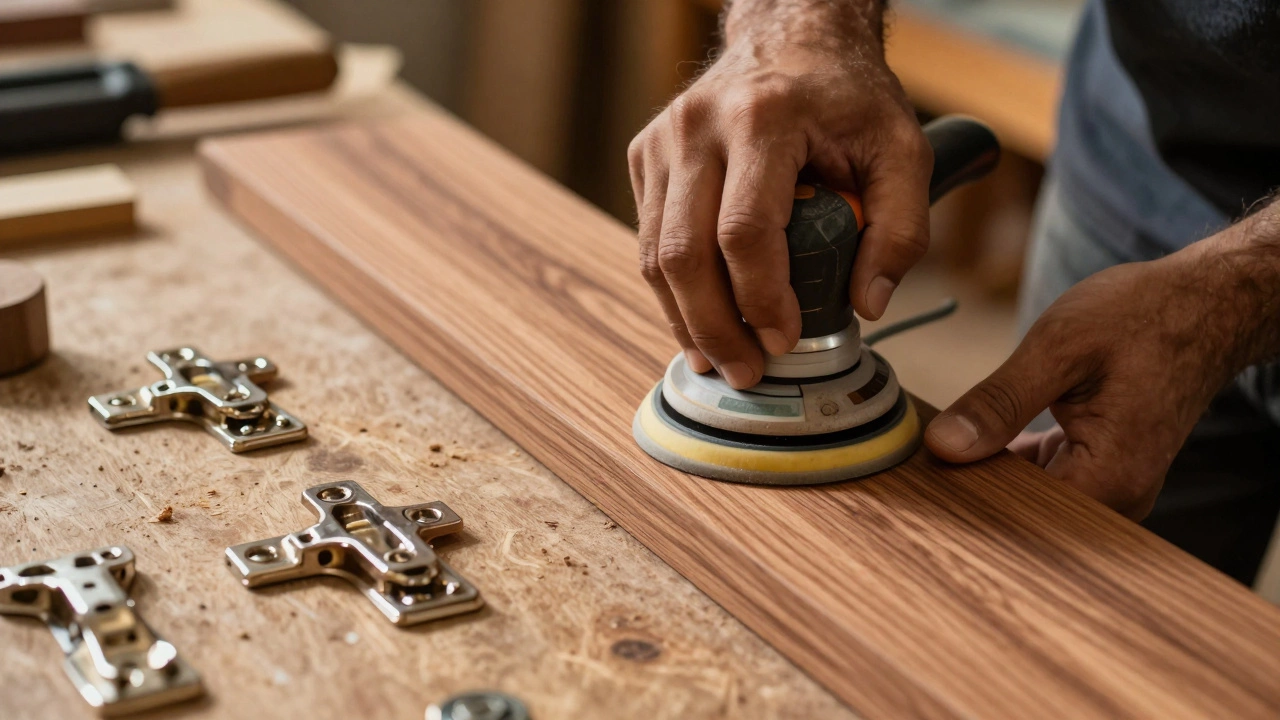
- Sanding Machines: Belt sanders and orbital sanders for finish work. ₹30,000-₹50,000.
Pro Tip: Consider leasing machinery through schemes offered by SIDBI or state industrial development corporations. This reduces your initial cash outflow significantly. Also, buy used CNC machines from closing workshops-they often have 5+ years of life left and cost half the price.
4. Raw Material Sourcing and Inventory
Furniture is 60-70% raw material cost. Getting this wrong means zero profit margins.
You’ll need to stock:
- Engineered Wood: Plywood (MR, BWR grades), MDF, and Particle Board. Prices fluctuate based on log availability. Current rates for good quality MR plywood hover around ₹90-₹120 per sq. ft.
- Laminates & Veneers: Brands like Greenlam, Century, or local suppliers. Budget ₹15-₹40 per sq. ft. depending on design complexity.
- Hardware: Hinges, slides, handles, and connectors. German brands (Hettich, Blum) are expensive but justify premium pricing. Local Chinese alternatives cost 40% less but may affect durability claims.
- Adhesives & Finishes: PU glue, polyurethane varnish, and paints. Ensure they meet BIS standards for low VOC emissions-this is a growing consumer concern in urban India.
Build relationships with dealers in major hubs like Gujarat (for plywood) or Tamil Nadu (for hardware). Don’t buy everything locally if you’re in North India; logistics costs will kill your margin.
5. Space, Rent, and Utilities
You need space for three things: cutting, assembly, and storage. Dust and noise mean you can’t operate in a residential area without complaints.
- Workshop Size: Minimum 1,000-1,500 sq. ft. for a small unit.
- Rent: Industrial sheds in peri-urban areas (e.g., Ghaziabad for Delhi NCR, Dombivli for Mumbai) cost ₹15-₹30 per sq. ft. monthly. That’s ₹15,000-₹45,000 per month.
- Security Deposit: Typically 3-6 months’ rent. Budget ₹50,000-₹1.5 lakhs.
- Electrical Connection: You’ll need a 3-phase connection for heavy machinery. Installation costs can range from ₹20,000-₹50,000 depending on transformer distance.
Check local zoning laws. Some municipal corporations restrict wood processing due to fire hazards and pollution norms. Get written permission before signing a lease.
6. Labor and Skilled Workforce
Technology helps, but furniture still needs human hands. In 2026, skilled carpenters are scarce. Most young workers prefer construction or IT jobs.
- Master Carpenter: ₹25,000-₹40,000/month. Crucial for design oversight and complex joinery.
- CNC Operator: ₹18,000-₹25,000/month. Needs training in CAD/CAM software.
- Helpers/Packers: ₹12,000-₹15,000/month.
Invest in training. A well-trained team reduces waste by 15-20%. Waste in wood is direct loss of revenue. Implement a strict inventory tracking system to monitor board usage.
7. Marketing and Sales Channels
Building great furniture doesn’t guarantee sales. You need visibility.
- Digital Presence: A professional website with SEO optimization costs ₹20,000-₹50,000. Instagram and Pinterest are vital for visual appeal.
- E-commerce Listings: Fees for listing on Amazon, Flipkart, or specialized platforms like Pepperfry include commission (15-25%) and logistics fees.
- Showroom/Experience Center: If targeting high-end clients, a small display area in a commercial hub adds credibility. Rent + fit-out: ₹2-5 lakhs.
- Trade Fairs: Exhibiting at events like IndoFurn or Luxury Home Show can generate B2B leads. Booth costs range from ₹1-3 lakhs.
Start lean. Use social media ads targeted to newlyweds or homeowners in specific pin codes. Offer virtual consultations to close deals without a physical showroom initially.
8. Hidden Costs and Contingencies
Always reserve 10-15% of your budget for unexpected expenses. Common pitfalls include:
- Logistics Damage: Furniture breaks during transit. Insurance is mandatory. Budget ₹5,000-₹10,000 annually for cargo insurance.
- Machine Maintenance: CNC bits wear out. Spares and servicing add up. Keep a ₹20,000/month maintenance fund.
- Payment Delays: B2B clients often pay in 30-60 days. Ensure you have working capital to cover salaries and materials during this gap.
Total Estimated Startup Cost Breakdown
| Category | Low End (INR) | High End (INR) |
|---|---|---|
| Legal & Compliance | ₹20,000 | ₹70,000 |
| Machinery & Tools | ₹8,00,000 | ₹20,00,000 |
| Raw Material Stock | ₹2,00,000 | ₹5,00,000 |
| Space Setup (Rent + Deposit + Elec) | ₹1,50,000 | ₹4,00,000 |
| Marketing & Website | ₹50,000 | ₹2,00,000 |
| Working Capital (3 Months) | ₹3,00,000 | ₹6,00,000 |
| Total | ₹15,20,000 | ₹37,70,000 |
Note: These figures assume a semi-automated setup in a Tier-2 city. Metro cities will see 20-30% higher costs for rent and labor.
Financing Options for Aspiring Entrepreneurs
You don’t need to fund this entirely from personal savings. Explore these avenues:
- CGTMSE Scheme: Credit Guarantee Fund Trust for Micro and Small Enterprises allows collateral-free loans up to ₹2 crores.
- PMEGP: Prime Minister’s Employment Generation Programme offers subsidies of 15-35% on project cost for eligible candidates.
- Bank Loans: Major banks like SBI and HDFC offer MSME loans at competitive interest rates (8-11% p.a.). Prepare a detailed project report highlighting your market research and financial projections.
Approach banks with a clear business plan. Show them your supplier contracts and initial customer orders. This increases approval chances significantly.
Next Steps and Troubleshooting
If you’re ready to start, begin with market validation. Talk to 10 interior designers and 20 homeowners. Ask what they hate about current furniture options. Is it delivery delays? Poor finish? High prices? Solve one problem exceptionally well.
Start small. Buy second-hand machinery. Outsource non-core tasks like painting initially. Reinvest profits into automation only when order volume justifies it. The furniture industry rewards patience and quality over speed.
What is the profit margin in the furniture business in India?
Profit margins vary by segment. Custom solid wood furniture can yield 30-50% gross margins, while mass-produced engineered wood furniture typically sees 15-25%. Net profit after overheads usually ranges from 10-20% for efficient operations.
Do I need BIS certification for all furniture?
No. BIS certification is mandatory only for specific categories like steel furniture, mattresses, and certain children’s products. General wooden furniture does not require ISI marks, but adhering to quality standards builds trust.
Which location is best for starting a furniture factory in India?
Key hubs include Gujarat (Surat, Vadodara) for plywood access, Tamil Nadu (Salem, Coimbatore) for hardware and export infrastructure, and West Bengal (Kolkata) for traditional craftsmanship. Choose based on proximity to raw materials and target markets.
Can I start a furniture business from home?
Yes, but only for small-scale, low-noise activities like upholstery or assembly. Heavy cutting and sanding create dust and noise violations in residential zones. Check local municipal regulations before setting up any workshop at home.
How long does it take to recover investment in a furniture business?
With proper marketing and operational efficiency, most small-scale units break even within 18-24 months. Faster recovery is possible if you secure B2B contracts with hotels, offices, or real estate developers early on.