
Manufacturing Economic Impact Estimator
Enter details about a proposed or existing manufacturing facility to estimate its ripple effect on the local community, including indirect job creation and tax contributions.
Estimated Community Benefits
Imagine a quiet town where the biggest employer is a single grocery store. Then, suddenly, a manufacturing plant opens its doors. Within months, the vibe changes. There’s more money circulating, new shops pop up to serve workers, and young people stop moving away for work. This isn’t just a feel-good story; it’s economic reality. When manufacturing industries set up shop in a region, they act as powerful engines for local prosperity, creating ripples that touch every corner of daily life.
But what exactly does this mean for you, your neighbors, or your local government? It goes far beyond simple employment numbers. We’re talking about skill upgrades, infrastructure improvements, and a stronger sense of community identity. Let’s break down how these industries transform local areas from the ground up.
Direct Job Creation and Wage Stability
The most immediate impact is obvious: jobs. But not all jobs are created equal. Manufacturing often provides stable, middle-income positions that don’t necessarily require four-year college degrees. For many locals, this is a lifeline. A factory worker earning a steady wage supports their family, buys groceries locally, and pays taxes that fund schools and roads.
Unlike seasonal agricultural work or gig-economy roles, manufacturing offers long-term career paths. You can start on an assembly line and move up to supervision or technical maintenance over ten years. This stability allows families to plan for the future-buying homes, saving for education, and investing in the community. According to data from the Bureau of Labor Statistics, manufacturing wages consistently hover above the national median for non-college-degree jobs, providing a reliable financial backbone for households.
The Multiplier Effect on Local Businesses
Here’s where it gets interesting. One factory job doesn’t just create one income stream; it creates several. Economists call this the "multiplier effect." If a plant hires 100 workers, those workers spend their paychecks at local restaurants, gas stations, hardware stores, and entertainment venues. Those businesses then hire more staff to keep up with demand.
- Retail & Hospitality: New lunch spots and bars spring up near industrial zones.
- Services: Dry cleaners, auto repair shops, and childcare centers see increased demand.
- Housing: Landlords and real estate agents benefit from higher demand for rentals and homes.
A study by the National Association of Manufacturers suggests that for every direct manufacturing job, up to three additional jobs are supported in other sectors. So, when you look at your local Main Street thriving, there’s often a factory behind the scenes pulling the strings.
Skill Development and Workforce Training
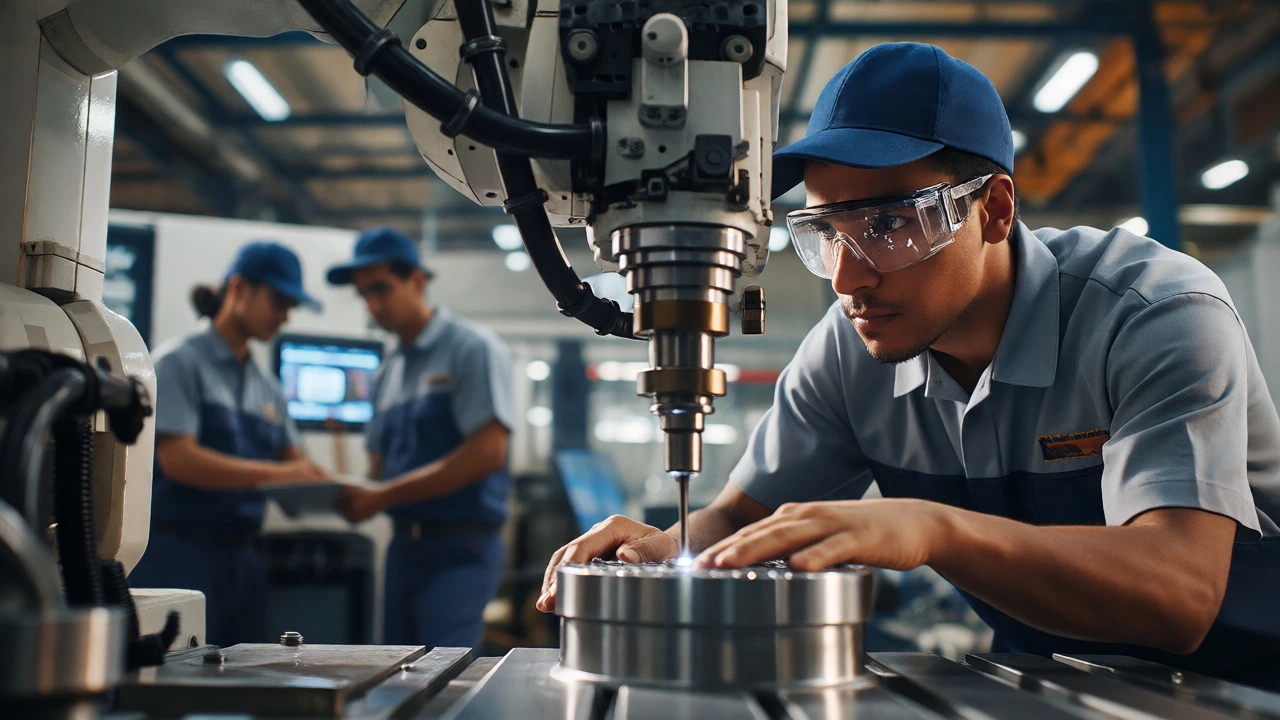
Manufacturing isn’t just about manual labor anymore. Modern facilities use robotics, automation, and complex software. To run these machines, workers need specialized skills. Companies often partner with local community colleges or vocational schools to offer training programs. This raises the overall skill level of the local population.
Even if a worker leaves the factory later, they take those valuable certifications with them. They become more employable across different industries. This "human capital" investment stays in the community, making the area more attractive to future investors who want access to a skilled workforce. It turns a town into a talent hub rather than just a place to sleep.
Infrastructure and Public Service Improvements
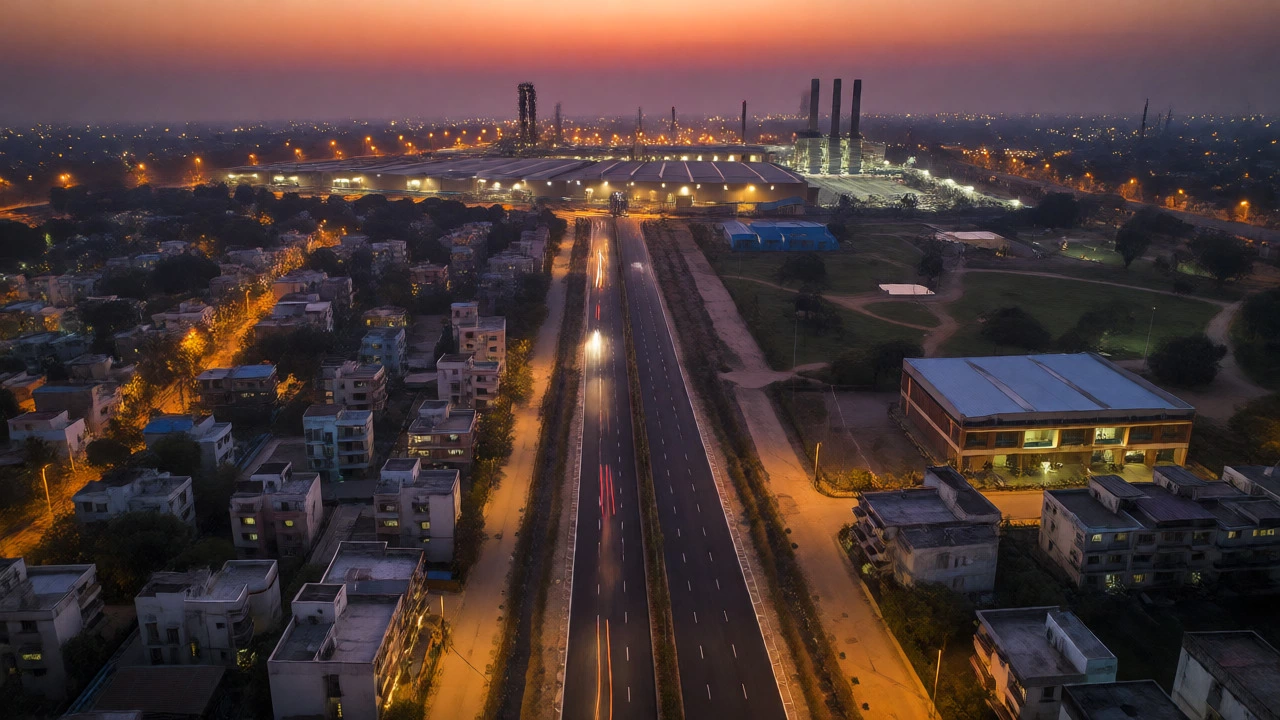
New factories bring tax revenue. Significant amounts of it. Local governments use these funds to improve public services that everyone enjoys. Better roads are needed to transport goods, so infrastructure gets upgraded. Schools get funding because the tax base expands. Emergency services like fire departments and police forces receive better equipment.
For example, a municipality might pave a previously neglected road to accommodate heavy truck traffic from a new steel mill. That same paved road now serves residents commuting to work or kids going to school. The private sector’s need for efficiency directly translates into public quality-of-life improvements.
| Community Aspect | Before Industrial Investment | After Industrial Investment |
|---|---|---|
| Employment Rate | Stagnant or declining due to outmigration | Increased due to direct and indirect job creation |
| Local Business Revenue | Flat growth, limited customer base | Growth driven by worker spending (Multiplier Effect) |
| Tax Base | Narrow, reliant on residential property | Diversified with commercial property and income taxes |
| Workforce Skills | Generalized, lower certification rates | Specialized technical skills via corporate training |
Reduced Brain Drain and Population Retention
One of the biggest challenges for small towns is "brain drain"-young, educated people leaving for big cities because there’s nothing left for them. Manufacturing reverses this trend. When good careers exist locally, young people stay. They raise families here. They volunteer here. They buy homes here.
This retention stabilizes the community. Schools maintain enrollment levels, preventing closures. Local sports teams and clubs have consistent membership. The social fabric remains intact. Instead of being a "bedroom community" for distant urban centers, the town becomes a self-sustaining economic unit with its own identity and pride.
Environmental and Social Considerations
It’s not all sunshine and paychecks. Manufacturing can bring noise, traffic, and environmental concerns. However, modern regulations and green manufacturing practices mitigate these issues. Many new plants are designed with sustainability in mind, using less water and energy. Furthermore, companies often engage in Corporate Social Responsibility (CSR) initiatives, sponsoring local events, scholarships, and parks.
The key is engagement. When local people have a seat at the table during planning phases, they can advocate for safeguards. This collaboration ensures that economic gains don’t come at the cost of livability. Transparent communication between industry leaders and community members builds trust and ensures long-term harmony.
Key Takeaways
- Economic Engine: Manufacturing creates high-quality, stable jobs that anchor the local economy.
- Multiplier Effect: Every factory job supports multiple service-sector jobs, boosting local retail and hospitality.
- Skill Hub: On-the-job training elevates the workforce’s qualifications, benefiting the entire labor market.
- Public Funding: Increased tax revenue leads to better roads, schools, and emergency services.
- Community Stability: Local careers reduce brain drain, keeping young families and talent within the region.
Frequently Asked Questions
Do manufacturing jobs still require physical strength?
Not necessarily. While some roles involve physical tasks, modern manufacturing increasingly relies on technology, robotics, and computer operation. Many positions require technical aptitude and problem-solving skills rather than brute strength. Automation has shifted the focus toward monitoring systems and quality control.
How does manufacturing affect housing prices in a local area?
Generally, it increases demand for housing. As workers move in or stay local, the demand for rentals and home purchases rises. This can drive up property values, which benefits homeowners but may also increase rental costs. Local governments often address this by encouraging mixed-use developments to balance supply and demand.
What happens if a major manufacturer closes down?
The impact can be significant, leading to short-term unemployment and reduced local spending. However, communities with diversified economies recover faster. Regions that used earlier manufacturing profits to invest in education and infrastructure tend to attract new industries more easily. Economic resilience depends on how well the community leveraged the initial boom.
Are government schemes necessary to support local manufacturing?
Often, yes. Tax incentives, grants, and infrastructure subsidies help offset the high initial costs of setting up plants. These schemes make it financially viable for companies to choose smaller towns over established hubs. In return, the government secures long-term job creation and tax revenue.
How can local people prepare for manufacturing jobs?
Focus on technical skills. Certifications in welding, CNC machining, electrical maintenance, or logistics management are highly valued. Vocational training programs and community college courses tailored to local industry needs are excellent starting points. Soft skills like teamwork and reliability are equally important.