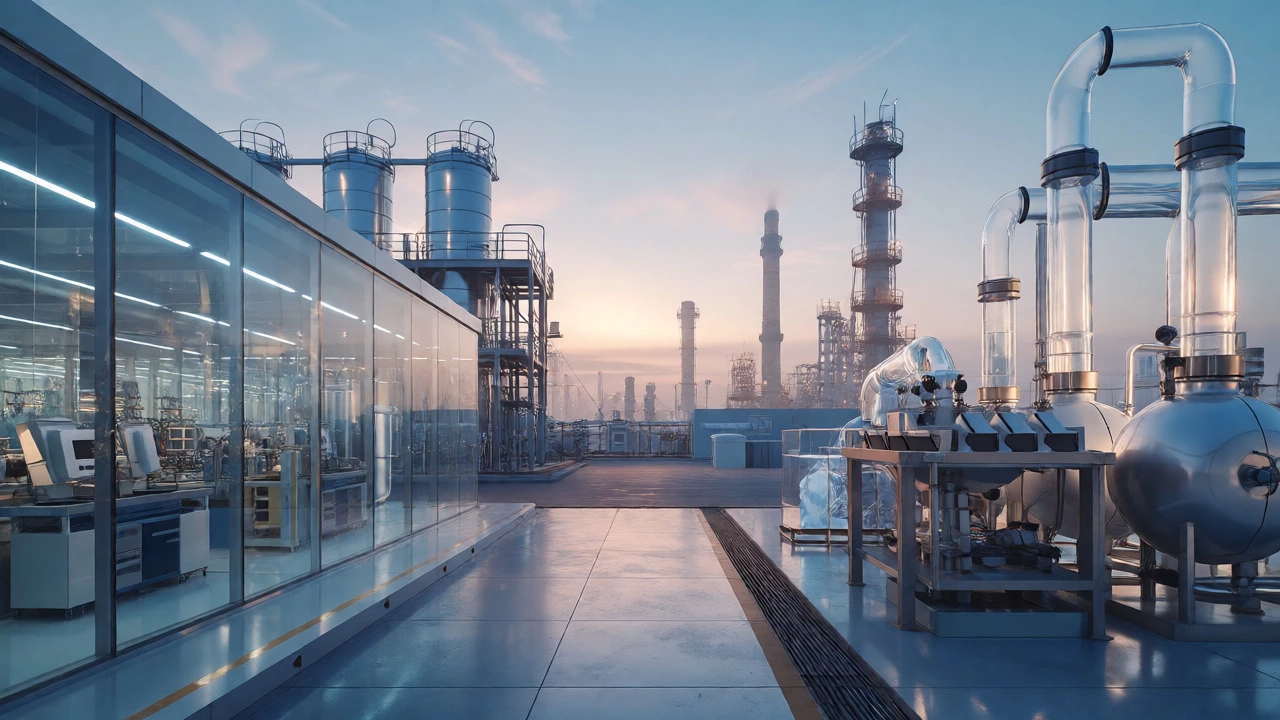
India Chemical Sector Opportunity Finder
Select your company's primary strengths and strategic interests below to discover which high-demand chemical sectors in India (2026) offer the best fit for your business model.
You might think the chemical industry is just about big oil refineries and massive fertilizer plants. But look closer at the Indian market in 2026, and you’ll see a different story. The real money isn’t always in bulk commodities; it’s in specific, high-growth niches where local production is struggling to keep up with explosive demand. If you are a manufacturer or an investor looking at chemical demand India, knowing which products are flying off the shelves is half the battle.
Why does this matter right now? Because global supply chains have shifted. Companies are moving away from single-source dependencies, and India is positioning itself as a "China Plus One" alternative. This means certain chemicals that were previously imported are now seeing a surge in domestic orders. Let’s break down exactly which chemicals are in high demand, why they are hot, and what drives their consumption.
The Specialty Chemical Boom
If you want to understand where the growth is, stop looking at basic petrochemicals and start looking at Specialty Chemicals. These are high-value, low-volume products used in everything from electronics to agriculture. Unlike commodity chemicals, their price isn't driven by crude oil prices alone but by technical performance and application-specific needs.
India’s specialty chemical sector is projected to grow significantly faster than the broader chemical industry. Why? Because downstream industries like pharmaceuticals, textiles, and automotive are upgrading their quality standards. They need better inputs. For instance, Agrochemicals are not just fertilizers anymore. They include complex pesticides, herbicides, and plant growth regulators that require precise chemical formulations.
| Sub-Sector | Primary Driver | Growth Indicator |
|---|---|---|
| Pharma Intermediates | Generic drug exports & domestic healthcare expansion | High volume, consistent demand |
| Electronic Chemicals | Semiconductor & EV battery manufacturing | Rapidly increasing CAGR |
| Personal Care Ingredients | Rising middle-class hygiene awareness | Steady premium segment growth |
Consider the electronic chemicals segment. With the push for semiconductor fabrication units (fabs) in Gujarat and Karnataka, there is a sudden, urgent need for ultra-pure acids and solvents. You can’t buy these at your local hardware store. They require specialized handling and certification. This creates a barrier to entry, which protects margins for established players who already have the necessary infrastructure.
Pharmaceutical Intermediates: The Backbone of Healthcare
India is often called the pharmacy of the world. That title doesn’t come from thin air. It comes from the ability to produce active pharmaceutical ingredients (APIs) and their intermediates efficiently. However, there is a catch. A significant portion of raw materials for APIs still comes from China. As geopolitical tensions fluctuate, Indian manufacturers are scrambling to localize this supply chain.
This has created a massive gap in the market for Pharmaceutical Intermediates. These are the precursor chemicals used to synthesize final drugs. Think of them as the building blocks before you build the house. High-demand categories here include antibiotics intermediates, cardiovascular drug precursors, and diabetes management compounds.
What makes this sector tricky? Regulatory compliance. You cannot just whip up a batch of intermediates in a garage. You need Good Manufacturing Practices (GMP) certification. Buyers in Europe and North America audit these facilities rigorously. If you are entering this space, your competitive edge isn't just price-it's reliability and documentation. A missed shipment or a failed audit can cost millions.
Construction Chemicals: Building the Nation
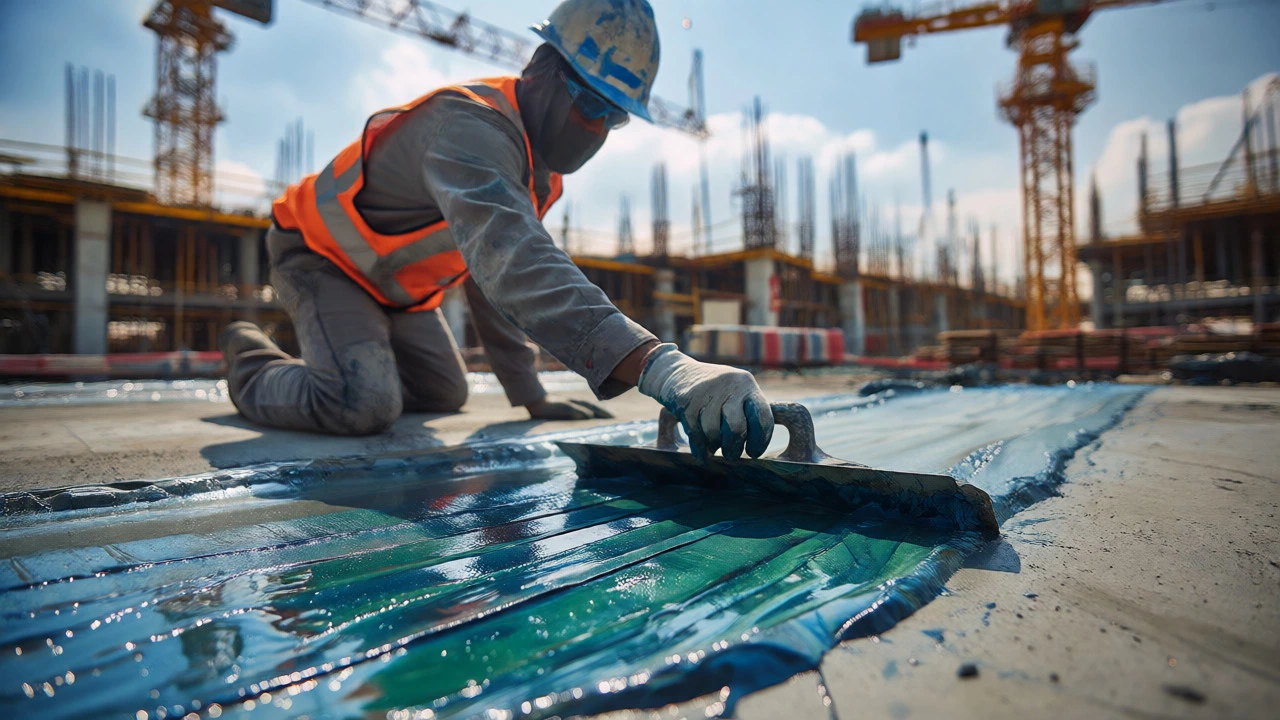
Look around any major Indian city. Cranes are everywhere. Infrastructure projects like highways, metros, and smart cities are reshaping the landscape. This construction boom directly fuels demand for Construction Chemicals. These aren't your grandfather's cement bags. We are talking about admixtures, waterproofing agents, tile adhesives, and grouts.
Modern concrete requires additives to improve durability and workability. Superplasticizers, for example, allow builders to use less water without compromising strength. This is critical in large-scale projects where curing time matters. Waterproofing chemicals are another hot area. With rising humidity levels and extreme weather events, protecting structures from moisture ingress is no longer optional-it’s mandatory for longevity.
- Polymer-based Adhesives: Replacing traditional cement mortar in tiling due to ease of application.
- Sealants: Essential for glass facades in commercial buildings.
- Repair Mortars: Critical for retrofitting old infrastructure.
The shift here is consumer-driven too. Homeowners are willing to pay more for products that promise leak-free bathrooms. Brands that educate contractors on proper application techniques win market share. It’s not just about selling a bucket of glue; it’s about selling a solution to a leaking roof.
Water Treatment and Environmental Chemicals
Clean water is becoming a scarce resource. Industries face stricter environmental norms, and municipalities are under pressure to provide safe drinking water. This drives demand for Water Treatment Chemicals. Coagulants, flocculants, and disinfectants are essential components of every treatment plant.
Aluminum sulfate (alum) remains a staple, but newer polymeric coagulants are gaining traction because they produce less sludge. Sludge disposal is expensive and regulated. If your product reduces waste volume, you save the customer money on disposal fees. That’s a powerful sales pitch.
Beyond municipal water, industrial effluent treatment is huge. Textile mills, dye houses, and paper factories generate tons of colored wastewater. They need specialized decolorizing agents and pH adjusters. The Zero Liquid Discharge (ZLD) policies in many states force these industries to recycle water, creating recurring demand for treatment chemicals. It’s a subscription-like business model once you get onboarded with a factory.
Fine Chemicals for Electronics and EVs
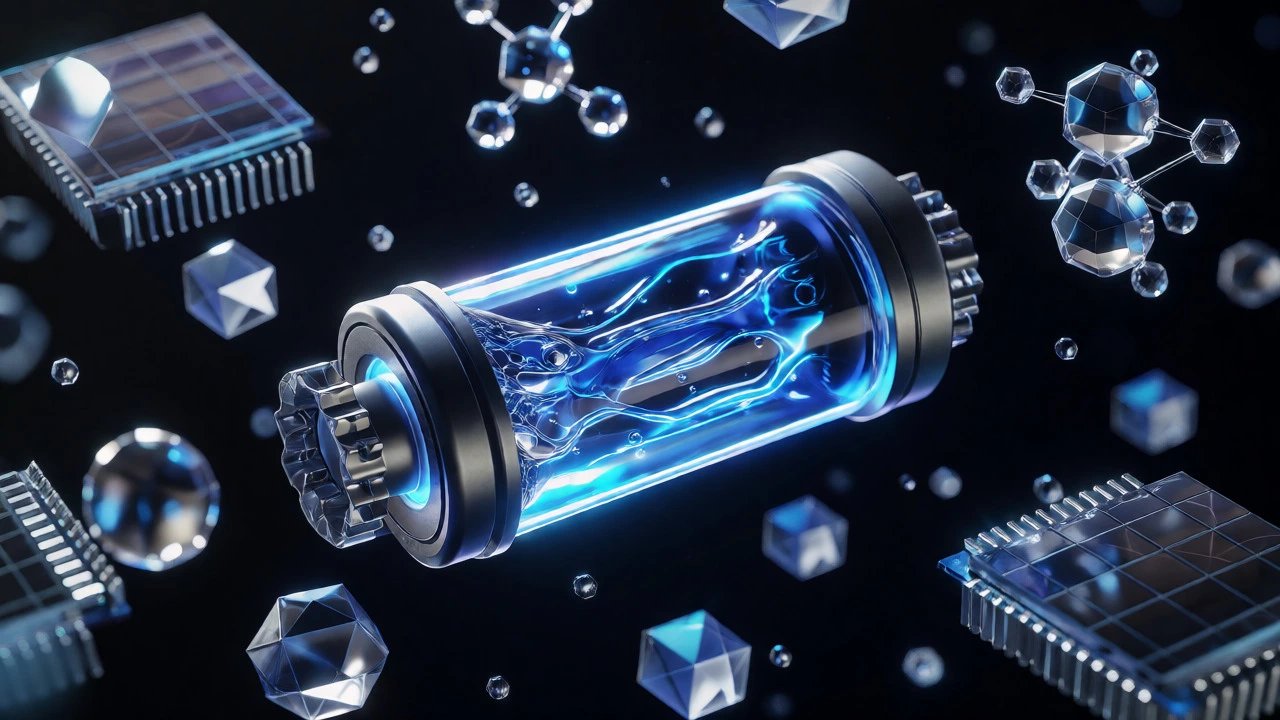
The electric vehicle (EV) revolution is happening fast in India. From two-wheelers to buses, the transition is underway. EVs don’t use engines, but they rely heavily on batteries. Battery manufacturing requires specific electrolytes and separator coatings. Lithium hexafluorophosphate, for example, is a key component in lithium-ion battery electrolytes.
Then there’s the semiconductor angle. Chips require photoresists, etching gases, and CMP slurries. These are highly specialized Fine Chemicals requiring purity levels measured in parts per billion. Currently, India imports most of these. Localizing production is a national priority, supported by government incentives like the Production Linked Incentive (PLI) scheme.
If you have access to high-purity synthesis capabilities, this is a lucrative niche. The barriers are high-clean rooms, specialized reactors, and rigorous testing labs-but the competition is lower compared to commoditized sectors. One successful contract with a battery maker or chip fab can secure revenue for years.
How to Identify Your Opportunity
Don’t try to do everything. Pick a lane based on your existing strengths. Are you good at logistics? Focus on bulk storage and distribution of industrial gases or acids. Do you have strong R&D teams? Look into custom synthesis for pharma clients. Do you have marketing muscle? Build a brand in construction chemicals for retail consumers.
Here is a quick checklist to evaluate a potential product line:
- Supply Chain Security: Can you source raw materials reliably within India or friendly nations?
- Regulatory Hurdles: How long will it take to get BIS or FDA approvals?
- Customer Stickiness: Is it easy for customers to switch suppliers? (Lower switching costs mean higher price sensitivity).
- Environmental Impact: Does your process generate hazardous waste? Green chemistry is increasingly preferred.
Remember, the Indian market rewards those who solve problems. Don’t just sell a chemical; sell the outcome. Whether it’s stronger concrete, cleaner water, or a longer-lasting battery, tie your product to tangible benefits.
Frequently Asked Questions
Which chemical sub-sector is growing fastest in India?
Currently, Electronic Chemicals and Specialty Agrochemicals show the highest growth rates. This is driven by the semiconductor manufacturing push and the modernization of agriculture practices, respectively.
Is it profitable to manufacture basic chemicals in India?
Basic chemicals offer volume but thin margins. Profitability depends on scale and energy efficiency. Specialty chemicals generally offer better margins but require higher technical expertise and capital investment.
What role do government schemes play in chemical demand?
Schemes like PLI (Production Linked Incentive) boost domestic manufacturing of APIs and electronic chemicals. Additionally, infrastructure spending directly increases demand for construction chemicals.
Are import duties affecting chemical sourcing in India?
Yes, import duties on certain raw materials encourage local sourcing. However, duties on finished goods can also protect domestic manufacturers from cheap imports, making local production more viable.
What are the biggest challenges for new chemical entrants?
The main challenges are securing environmental clearances, managing volatile raw material prices, and meeting stringent quality certifications required by global buyers.