
Understanding the classification of unit operations in food processing is crucial for improving efficiency and quality in the food industry. These operations can be broadly divided into categories based on the type of process, such as mechanical, thermal, and chemical operations. Each category has specific applications that help transform raw ingredients into consumable food products. For those involved in food manufacturing, knowing the different unit operations is key to optimizing production and maintaining food safety. Exploring these classifications provides useful insights for anyone interested in food processing.

Food processing can be a bit of a mystery, but breaking it down into four levels makes it easier to grasp. From raw and minimally processed foods to heavily processed options, each level serves a different role in what we eat. Learn about how these levels impact nutritional value, shelf life, and your overall eating experience. Discover how understanding processing levels can help you make better food choices. It's all about figuring out what's really in your food and why.

In the world of food processing, ROM (Reduction of Material) plays a crucial role in transforming raw ingredients into final products efficiently. This article breaks down three primary ROM types in the food industry, discussing their functionalities and importance. Understanding these types can help optimize production processes, ensuring consistent quality and efficiency. Each type comes with its unique benefits tailored to specific industry needs.
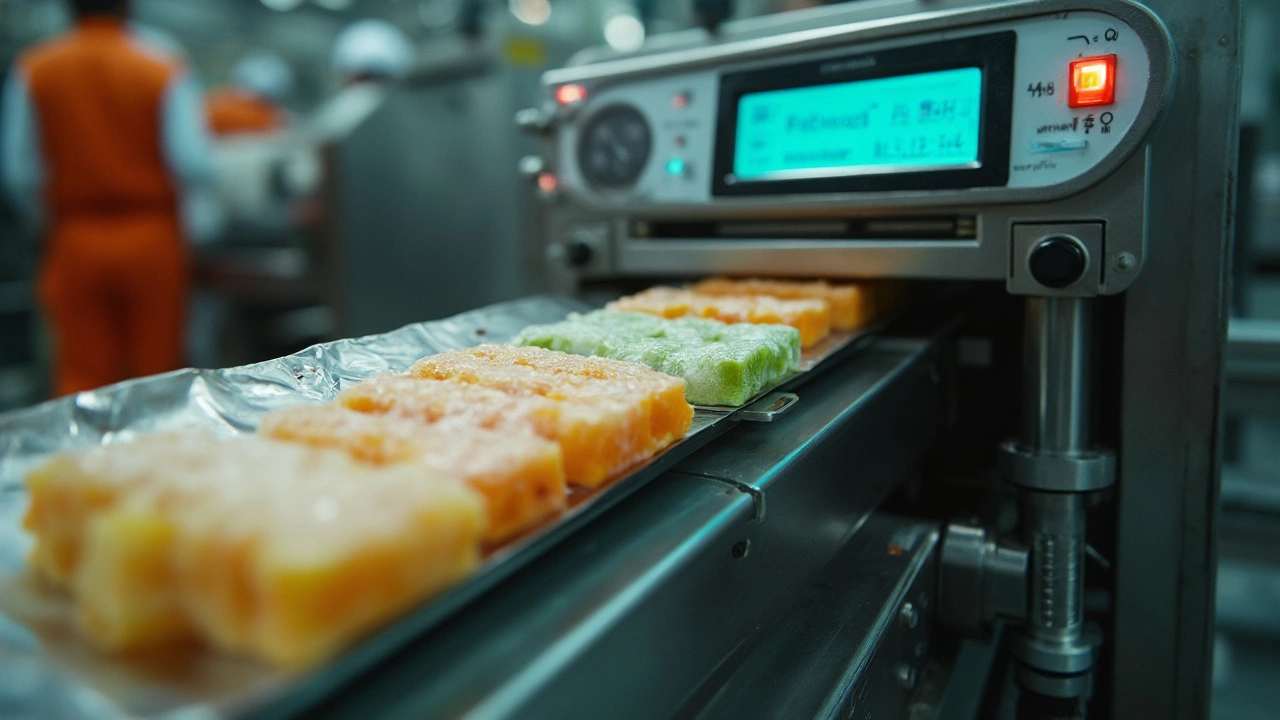
In food processing, precise measurement is crucial, and the term 'mil'—representing 0.001 of an inch—plays a vital role. This small unit is key in various aspects, from packaging thickness to machinery adjustments. Understanding how and when to use mil can boost efficiency and maintain quality standards. Explore the importance of accurate measurement and ways to apply it effectively in the food industry.