Key Takeaways for Your Search
- Budget vs. Luxury: Decide if you want "disposable" modular furniture for a few years or investment pieces that last decades.
- Material Check: Solid teak and sheesham are gold standards for longevity, while engineered wood (MDF/Particle Board) is better for budget and lightweight needs.
- Customization: Many top Indian brands now offer "made-to-measure" options to fit specific room dimensions.
- Warranty: Always look for a minimum 5-year warranty on structural frames.
The Heavy Hitters: Established Industry Leaders
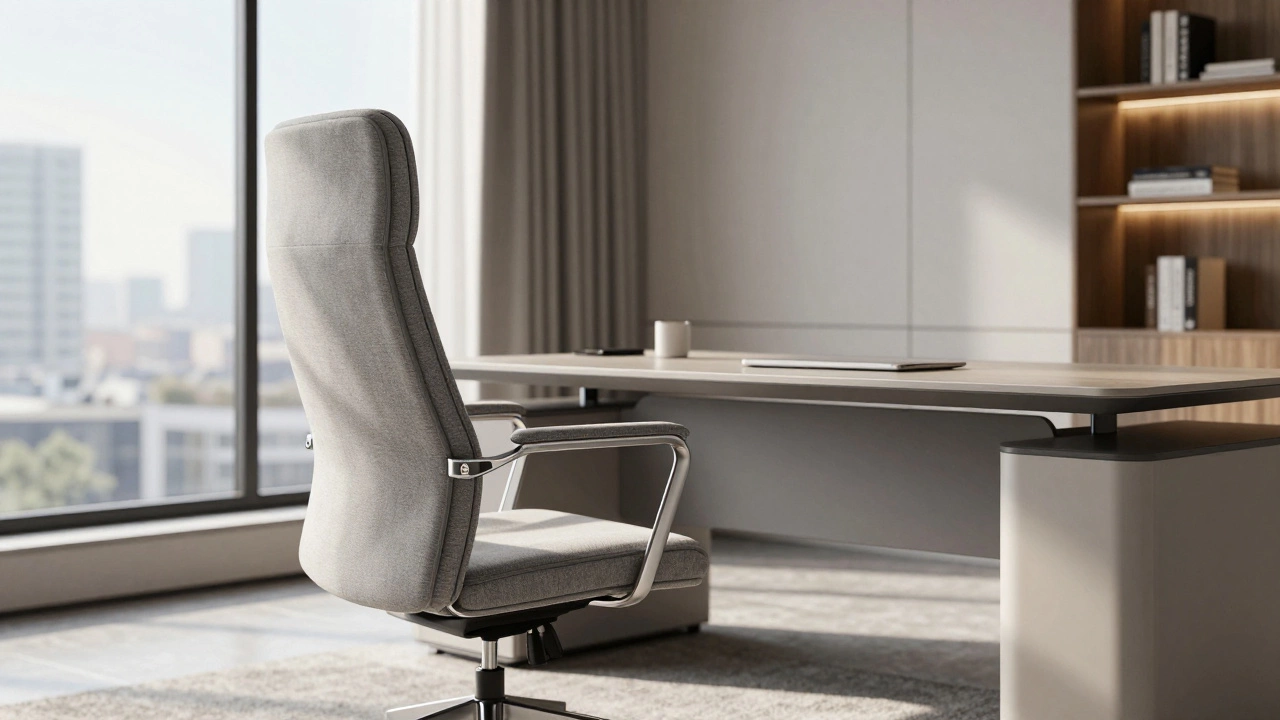
When people think of reliable furniture, names like Godrej Interio usually come up first. They aren't just selling tables; they're selling ergonomic science. If you're setting up a home office, their focus on lumbar support and posture is hard to beat. They've shifted from just being an "office brand" to creating full home solutions that prioritize utility over flashiness.
Then you have the giants like Pepperfry and Urban Ladder. While they started as marketplaces, they've evolved into massive design houses. They solve a specific problem: the "analysis paralysis" of having too many choices. By categorizing styles into "Modern," "Industrial," or "Traditional," they make it easier to visualize a cohesive room. However, be careful with their budget lines; some of the lower-end engineered wood pieces can warp if exposed to high humidity in coastal cities like Mumbai.
The Modern Disruptors: D2C and Modular Brands
The last few years have seen a surge in direct-to-consumer brands that ditch the middleman. These companies often focus on a specific niche. For example, some specialize exclusively in "bed-in-a-box" concepts or modular sofas that you can rearrange like Lego bricks. The appeal here is the speed of delivery and the ease of assembly. You don't need a professional carpenter when the furniture comes with a hex key and a clear QR-code instruction manual.
These brands often use Engineered Wood, which is a processed wood product created by binding wood strands, fibers, or particles together with adhesives. While not as prestigious as solid wood, it's incredibly stable and resists shrinking or swelling, making it a practical choice for the fluctuating temperatures found in Northern India.
| Feature | Legacy Brands (e.g., Godrej) | Curated Marketplaces (e.g., Pepperfry) | D2C Modular Brands |
|---|---|---|---|
| Primary Material | Steel, High-Grade Wood | Mixed / Engineered Wood | MDF, Plywood, Fabric |
| Customization | Moderate | High (Various Vendors) | Limited (Standardized) |
| Delivery Speed | Medium | Fast | Very Fast |
| Durability | Very High | Variable | Medium |
Matching Your Material to Your Environment
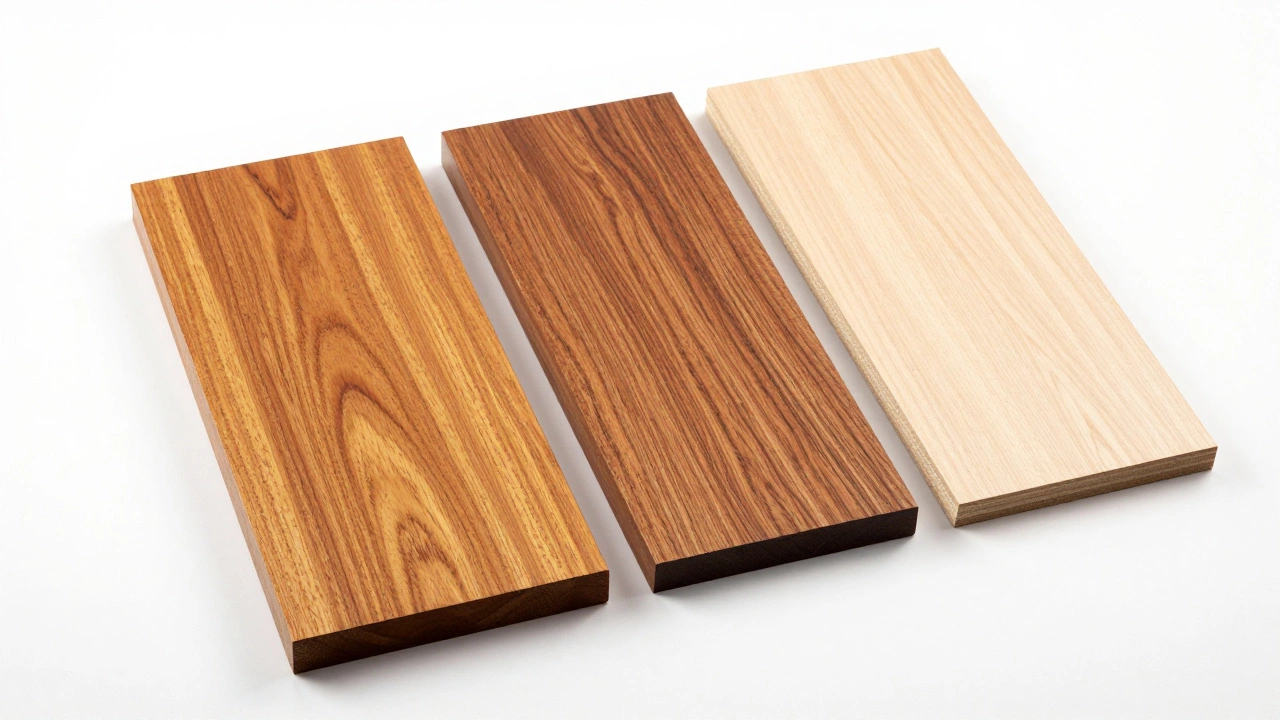
You can't just buy the "best" brand; you have to buy the best material for your specific city. If you live in a place with high humidity, like Kerala or Chennai, avoid cheap particle board. It absorbs moisture and swells up like a sponge. Instead, look for Teak Wood, which is naturally oily and resists rot and pests. It's the gold standard for luxury furniture in India.
For those in drier climates or rental apartments, Sheesham Wood (Indian Rosewood) is a fantastic middle ground. It has a beautiful, grainy texture and is incredibly hard, meaning it can take a beating from kids and pets without showing deep scratches. Most mid-to-high range Indian manufacturers use sheesham because it balances cost and prestige.
The Hidden Costs: What the Salesperson Won't Tell You
When you see a great price on a sofa, ask about the "foam density." A company might use high-quality fabric but cheap, low-density foam. Within six months, your sofa will have "sink holes" where you usually sit. Look for high-resilience (HR) foam. It's more expensive but keeps its shape for years.
Another trap is the delivery and assembly fee. Some companies offer "free shipping" but charge a premium for assembly. If you're buying a complex wardrobe, an incorrectly assembled piece can lead to misaligned doors that never close properly. Always check if the company provides professional installation or if you're left with a pile of screws and a confusing manual.
Choosing Based on Your Life Stage
If you're a young professional moving into your first flat, focus on versatility. Look for sofa-cum-beds or extendable dining tables. Companies that offer modular pieces allow you to grow your furniture collection as you move to larger homes. You can start with a two-seater and add a matching ottoman or a third section later.
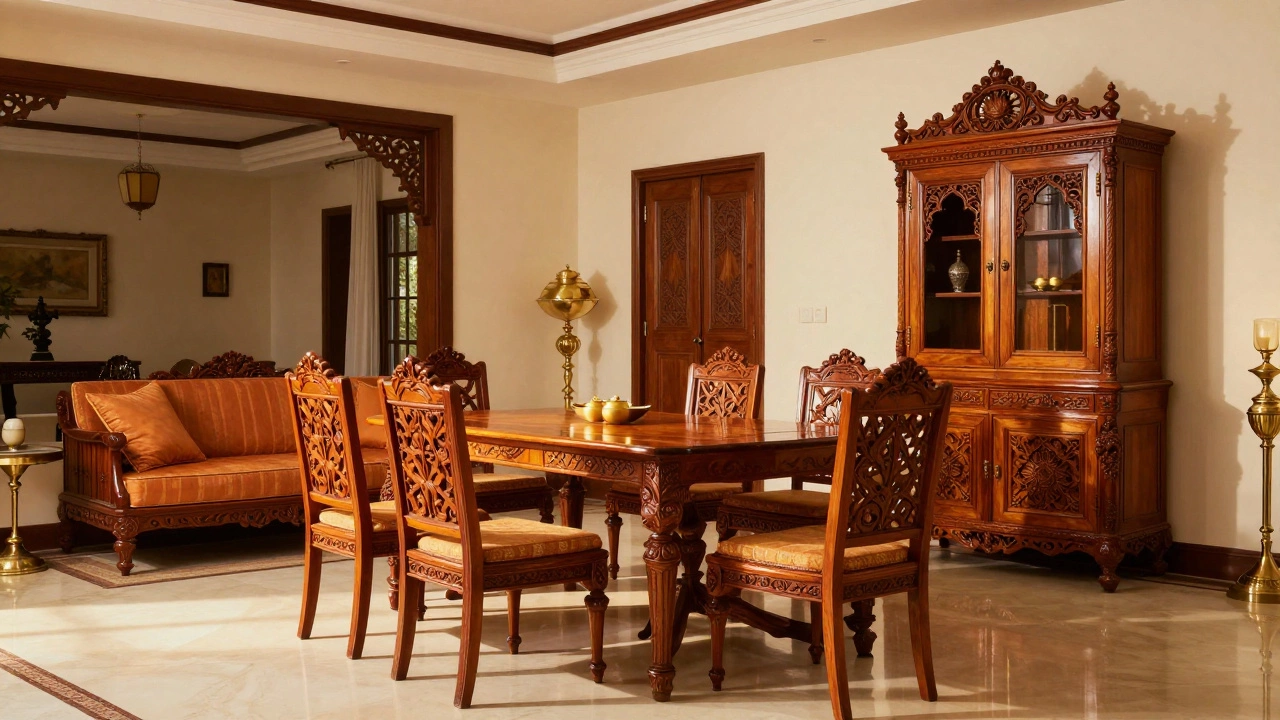
For established homeowners, the focus shifts to heritage. This is where you move away from the big websites and look at boutique manufacturers who specialize in hand-carved wood. These pieces aren't just furniture; they're assets that can appreciate in value. A hand-crafted teak dining set from a reputable regional manufacturer in Rajasthan or Gujarat often outlasts five different "modern" sets from a big-box retailer.
Is engineered wood better than solid wood?
It depends on your goal. Engineered wood is cheaper, lighter, and doesn't warp as easily in dry heat, making it great for budget-friendly or temporary setups. Solid wood, especially teak or sheesham, is far more durable, holds value better, and can be refinished if it gets scratched, making it the superior choice for long-term investment.
How do I check the quality of a sofa online?
Check the frame material-solid wood is better than plywood. Look for the foam density (HR foam is best) and read reviews specifically mentioning "sagging" or "creaking." If the company doesn't list the frame material, it's likely a cheaper composite.
Which is the most durable wood for Indian weather?
Teak wood is the most durable due to its natural oils which repel water and insects. Sheesham is also a strong contender for indoor furniture, offering great hardness and longevity in most Indian climates.
Are online furniture stores reliable for large purchases?
Yes, but only if they have a clear return policy and a physical experience center where you can test the comfort. For high-ticket items like king-size beds or luxury sofas, visiting a showroom to check the "feel" of the fabric and the sturdiness of the joints is highly recommended.
What is the average lifespan of modular furniture?
Generally, high-quality modular furniture lasts 5 to 10 years. The lifespan is shorter than solid wood because the fasteners (screws and cams) can loosen over time with frequent movement, and the laminate finish can peel if exposed to excessive moisture.
Next Steps for Your Purchase
If you're still undecided, start by creating a mood board. Don't look at brands first; look at styles. Once you know you prefer "Mid-Century Modern" over "Rustic," your search becomes much narrower. If you are on a tight budget, prioritize spending on the items you'll use most-like the mattress and the main sofa-and save money on side tables or shelving units.
For those struggling with small spaces, look for furniture with "hidden utility," such as beds with hydraulic storage or coffee tables that lift up into workstations. These are becoming standard for the best companies in India's urban centers, solving the problem of cramped living without sacrificing style.